

Best Bravado Spice Alternatives for Every Heat Level
Table of Contents
- Why Switch From Bravado Spice to Artisanal Alternatives
- Understanding Hot Sauce Heat Levels and Flavor Profiles
- Mango Chipotle: Sweet-Heat Balance for Everyday Meals
- Falling Iguana: Datil Pepper Hot Sauce With Regional Distinction
- Ball Kicker: Bright Citrus and Moderate Spice
- Blackbeard's Revenge: Extreme Heat for Hot Sauce Recipes With Cayenne
- Shipwreck Set: Build Your Complete Hot Sauce Arsenal
- How to Choose Your Best Alternative
- Frequently Asked Questions
Last Updated: October 17, 2026
Why Switch From Bravado Spice to Artisanal Alternatives
Most people reach for the same hot sauce out of habit. But if you've been using mass-produced sauces, you're missing what Bravado Spice alternatives deliver: complex flavors, fresh ingredients, and heat that doesn't rely on vinegar to mask shortcuts.
At Castaway Sauce Company, we craft Bravado Spice alternatives built on real peppers, fresh fruits, and spices that make each bottle taste distinct. The difference isn't subtle.
The question is which alternative fits your palate, your recipes, and your heat tolerance. Below, we'll walk you through the best options and how to pick the right one.
Understanding Hot Sauce Heat Levels and Flavor Profiles
Heat Level Spectrum
Hot sauce heat exists on a spectrum. The most useful way to read it is by the pepper at the base of the bottle, which determines both the ceiling of heat and the character of the flavor.
Here is a practical working map of the peppers you will encounter most often, using commonly published Scoville ranges as a rough guide:
| Pepper | Typical Scoville Range | Heat Read | Flavor Character |
|---|---|---|---|
| Jalapeño | 2,500-8,000 | Mild | Grassy, bright, slightly sweet |
| Chipotle (smoked jalapeño) | 2,500-8,000 | Mild to moderate | Smoky, earthy, dried-fruit depth |
| Chiles d'árbol | 15,000-30,000 | Moderate | Clean, sharp, nutty |
| Cayenne | 30,000-50,000 | Moderate to hot | Neutral, direct, powder-like |
| Habanero | 100,000-350,000 | Hot | Floral, fruity, citrus-adjacent |
| Datil | 100,000-350,000 | Hot | Smoky-sweet, distinct regional character |
| Ghost, Scorpion, Reaper | 800,000-2,200,000+ | Extreme | Fruity up front, punishing finish |
Mild sauces built on jalapeño or chipotle add flavor without overwhelming your palate, working in everyday cooking. Moderate sauces built on chiles d'árbol or cayenne bring noticeable heat alongside complexity, the workhorses of a spice enthusiast's kitchen.
Extreme heat sauces built on superhots are not everyday condiments. They are ingredients used sparingly: a teaspoon in a recipe, a dash in a marinade. The heat is the point, but the flavor has to be there too.
Flavor Profile Dimensions
Heat is only one dimension. A great hot sauce also delivers sweetness, smokiness, citrus brightness, savory depth, and fruity notes. Some lean tropical, others earthy or smoky. The best sauces layer these elements so heat and flavor work together rather than competing.
Why the Base Matters: Vinegar-Forward vs. Fruit-and-Pepper Builds
The biggest difference between mass-market and artisanal sauces is what carries the bottle. Mass-market sauces use a high proportion of vinegar because it is inexpensive, extends shelf life, and stretches a small amount of pepper across a large run, producing a thin, sharp sauce where acid dominates. Artisanal sauces flip that ratio, building on fresh fruits, whole peppers, and spices with acid as a supporting note. Test it at home: smell each on a spoon.
When evaluating a hot sauce flavor profile, ask: What am I cooking? Does this sauce complement or dominate? A smoky chipotle sauce will fight a delicate white fish; a bright citrus-habanero sauce will flatter it. The pepper map above is the fastest way to predict it.
Mango Chipotle: Sweet-Heat Balance for Everyday Meals
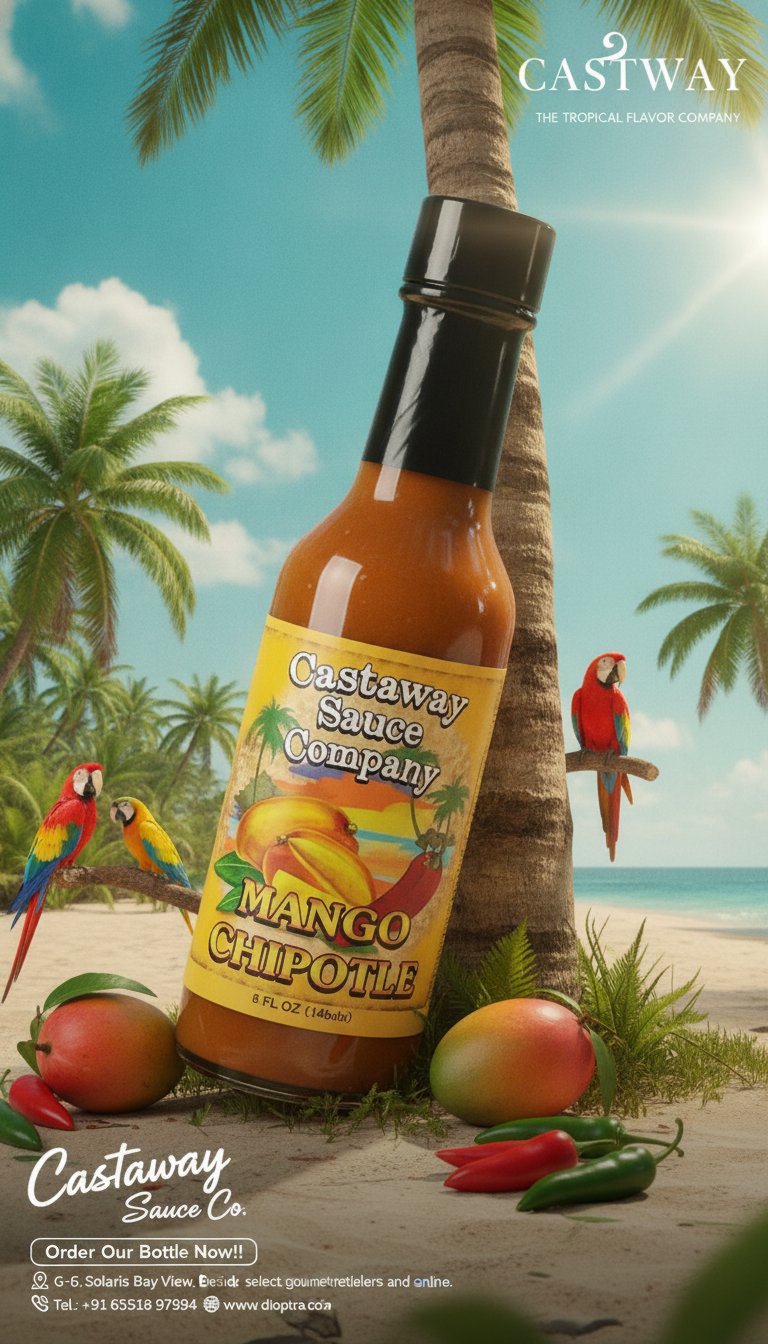
Mango Chipotle ($5.99) combines ripe mango's tropical sweetness with chipotle peppers' smoky depth. The mango provides natural sweetness and smooth texture; the chipotles (smoked dried jalapeños) bring heat and smokiness without overpowering. This moderate-spice sauce is genuinely versatile: use it on grilled meats where smoke complements char, toss with roasted vegetables, mix into a dipping sauce, or use as a marinade base. It's the kind of sauce you reach for multiple times a week because it improves what you're cooking rather than just adding heat.

Falling Iguana: Datil Pepper Hot Sauce With Regional Distinction
Falling Iguana ($5.99) centers on something most people have never encountered: the Datil pepper, a regional pepper grown primarily around St. Augustine, Florida, that brings a flavor profile you won't find in generic hot sauce blends.

The Datil has a slightly smoky character that sets it apart from habaneros. Combined with honey, Florida orange juice, garlic, and complementary spices, you get a sauce that tastes like nowhere else, authentically itself rather than a knock-off of something famous. A sauce built around a regional pepper tells a story and connects you to a specific place and tradition.
Falling Iguana works well on fish, in seafood preparations, or anywhere you want heat without drowning out delicate flavors. It's also excellent in salsas or as a finishing sauce where its brightness can shine.
Ball Kicker: Bright Citrus and Moderate Spice
Ball Kicker ($5.99) prioritizes brightness over heat. Orange habaneros, chiles d'árbol, citrus, garlic, and spices create a sauce that feels alive on your palate. The habaneros provide the spice, but the citrus is what you remember, you taste the individual ingredients rather than an undifferentiated burn.
Use it on seafood, in ceviche-adjacent preparations, or anywhere citrus naturally belongs, plus lighter proteins like chicken or fish where heavy, vinegar-forward sauces would overwhelm. The moderate heat means you can use it generously without making the dish inedible for people with lower heat tolerance.
Blackbeard's Revenge: Extreme Heat for Hot Sauce Recipes With Cayenne
Blackbeard's Revenge ($11.99) is for people who don't just want heat, they want an experience. This extreme-level spice is backed by complex flavor: citrus, a proprietary blend of chili peppers, garlic, and spices. It earned its reputation appearing on the Travel Channel's "Man v Food Nation" episode, and the flavor is genuinely there, citrus brightness, pepper complexity, savory depth, but the capsaicin is unmistakable.
The key is treating it as an ingredient rather than a condiment. A teaspoon goes into a pot of chili; a dash flavors a marinade. Many recipes that call for cayenne or hot peppers benefit from substituting a teaspoon of Blackbeard's Revenge, you get more flavor complexity than standard cayenne while maintaining the heat level you need.
Shipwreck Set: Build Your Complete Hot Sauce Arsenal
The Shipwreck Set ($25.00) gives you the full range in one purchase, multiple sauces across the heat and flavor spectrum, so you're covered regardless of what you're cooking or who's eating. It's the smart choice if you're new to artisanal hot sauces and want to understand your preferences without committing to individual bottles, or if you cook for people with different heat tolerances. It also makes a great gift: instead of guessing someone's preferred heat level, you give them variety.

| Sauce | Price per Bottle | Heat Level | Best Use |
|---|---|---|---|
| Mango Chipotle | $5.99 | Moderate | Everyday cooking, grilled meats |
| Falling Iguana | $5.99 | Moderate | Seafood, bright dishes, regional interest |
| Ball Kicker | $5.99 | Moderate | Citrus-forward dishes, lighter proteins |
| Blackbeard's Revenge | $11.99 | Extreme | Cooking ingredient, heat-forward recipes |
How to Choose Your Best Alternative
The best Bravado Spice alternative for you depends on what you cook, how much heat you want, and whether you value ingredient quality and flavor complexity. Use the matrix below to map the flavor style you are replacing to a specific substitute.
Match the Flavor Style You Are Replacing
Think about the Bravado bottle you reach for most. Is it fruity, smoky, savory, or garlic-forward? Use this matrix to find the closest match in character:
| If you want a sauce that is... | Reach for | Why it matches |
|---|---|---|
| Fruity and tropical with moderate heat | Mango Chipotle | Ripe mango sweetness layered over smoky chipotle |
| Smoky and earthy with dried-pepper depth | Mango Chipotle | Chipotle is smoked jalapeño; delivers smoke without superhot burn |
| Bright, citrusy, and lively | Ball Kicker | Orange habanero and citrus lead; chiles d'árbol add backbone |
| Regional and distinctly different | Falling Iguana | Datil pepper brings a smoky-sweet character you will not find in generic blends |
| A cooking ingredient for heat-forward recipes | Blackbeard's Revenge | Extreme heat designed to be used by the teaspoon, not poured |
Substitute by Recipe, Not Just by Bottle
People who cook with extreme sauces often swap them for cayenne or generic hot sauce inside a recipe rather than using them as a table condiment. If a recipe calls for a teaspoon of cayenne or a tablespoon of hot sauce in chili, marinade, or a braise, a teaspoon of Blackbeard's Revenge delivers more flavor complexity while maintaining the heat level. Start with half the amount and adjust up, because the capsaicin load is concentrated.
For everyday dishes where the sauce is the star, reach for a moderate sauce: Mango Chipotle for grilled meats and roasted vegetables, Falling Iguana for fish and seafood, Ball Kicker for lighter proteins and citrus-forward preparations. The more delicate the dish, the brighter and less smoky the sauce should be.
Be Honest About Heat Tolerance
Moderate sauces let you use them freely without overwhelming your palate or limiting who can eat the food. Extreme heat sauces are ingredients you deploy strategically. Neither is better; they are different tools for different purposes. If you regularly cook for a mixed table, keep at least one moderate bottle on hand so everyone can eat the same dish.
Weigh Ingredient Quality, Not Just Heat
Finally, consider what matters to you in a sauce. Do you want fresh fruits and peppers as the foundation, or are you okay with vinegar-heavy formulas that prioritize shelf stability over flavor? Do you care about regional peppers and unique sourcing, or is consistency across bottles more important? Artisanal sauces prioritize the former. Mass-market alternatives prioritize the latter. The ingredient-list test from the heat and flavor section is the fastest way to tell which one is in your hand.
Once you answer those questions, your choice becomes clear. You are not looking for the best hot sauce universally. You are looking for the best one for how you actually cook and what you actually value.
Frequently Asked Questions
What makes artisanal hot sauce alternatives better than mass-produced options like Bravado Spice?
Artisanal hot sauces prioritize fresh fruits, peppers, and spices over high vinegar content used as a cost-saving measure. This approach delivers more complex flavor layers and genuine ingredient quality. Craft producers often focus on specific pepper varieties and regional authenticity, creating sauces that work as standalone condiments or integrate into recipes with depth and character that shelf-stable mass-market alternatives struggle to match.
How do hot sauce heat levels differ across Datil pepper hot sauce and other varieties?
Heat levels vary significantly by pepper type. Datil peppers offer moderate spice with a slightly smoky character, making them accessible to those seeking flavor without extreme intensity. Habaneros provide brighter, more citrus-forward heat. For extreme heat seekers, proprietary blends with multiple chili peppers and capsaicin deliver punishing intensity. Understanding your heat tolerance helps you select sauces that enhance meals rather than overwhelm them.
Can I use extreme-heat sauces like Blackbeard's Revenge in everyday cooking?
Extreme-heat sauces work best as ingredients rather than standalone condiments. Hot sauce recipes with cayenne or other peppers benefit from a teaspoon of high-heat sauce mixed into marinades, salsas, or spice rubs. This approach lets you control intensity while adding complex flavor layers. Many heat-forward sauces shine when incorporated into dishes rather than applied directly to food.
What hot sauce flavor profiles work best for grilled meats and tacos?
Sweet-heat profiles balance well with grilled proteins and smoky cooking methods. Mango and chipotle combinations add tropical sweetness and smokiness that complement charred flavors. Citrus-forward sauces with habanero or similar peppers brighten grilled vegetables and tacos. Moderate heat levels (rather than extreme) allow the sauce to enhance rather than dominate the meal's natural flavors.