

Heatonist Alternative for Craft Sauce Lovers in 2026
Table of Contents
- Why Craft Sauce Lovers Are Searching for a Heatonist Alternative
- Artisanal Hot Sauce vs Grocery Brands: What Actually Sets Them Apart
- Small-Batch Craft Sauces Worth Trying: A Comparison Table
- How to Build a Hot Sauce Collection That Covers Every Heat Level
- Direct-to-Maker Buying: Getting Small-Batch Sauce Without the Markup
- Ingredients, Allergens, and Dietary Considerations in Craft Pepper Sauce
- Pricing Breakdown: What You Actually Pay Per Bottle
- Frequently Asked Questions
Last Updated: September 30, 2026
Why Craft Sauce Lovers Are Searching for a Heatonist Alternative
The hunt for a heatonist alternative for craft sauce lovers usually starts the same way: you love the sauces, but the ordering experience, the shipping wait, and the markup start to wear thin. At Castaway Sauce Company, we hear it constantly from home cooks who want restaurant-tested flavor without the boutique price tag.
Here's the core problem. A curated retailer sells other people's sauces. That means you pay for the curation, the warehouse, and the shipping on top of the sauce itself. A direct-to-maker purchase cuts out most of that.
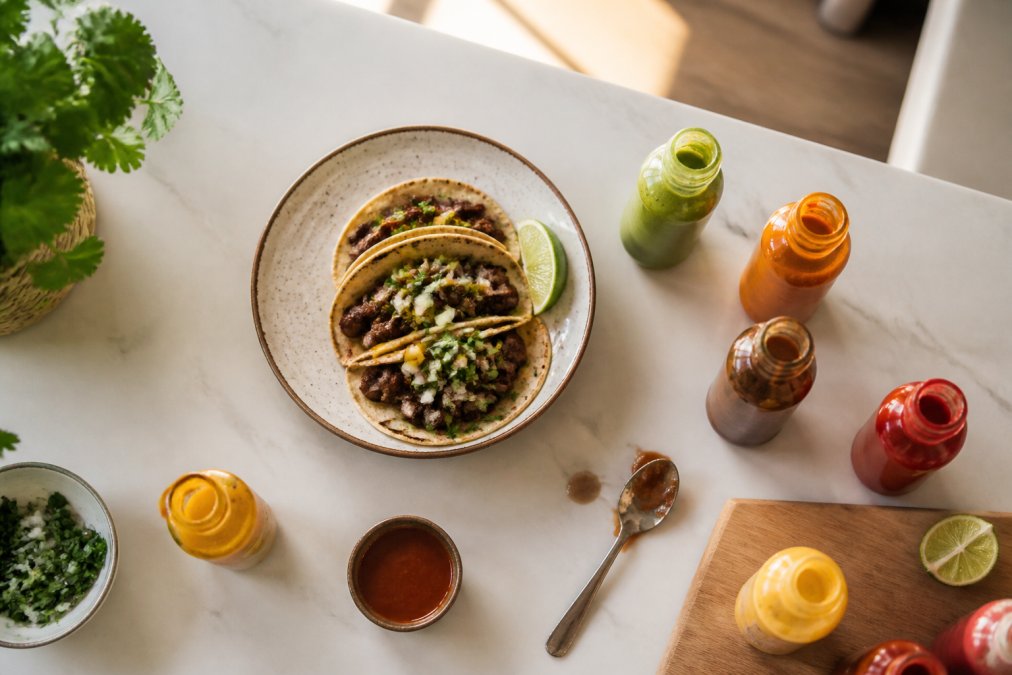
Artisanal Hot Sauce vs Grocery Brands: What Actually Sets Them Apart
Artisanal hot sauce vs grocery brands comes down to three things: pepper quality, batch size, and ingredient lists. Craft makers build flavor around specific peppers. Mass-market brands build around shelf stability.
A grocery-aisle bottle often leans on vinegar, sugar, and artificial ingredients to survive years on a shelf. Small-batch sauces typically use real fruit, honey, and named peppers. That difference shows up in flavor complexity and heat level.
- Pepper sourcing: named varieties like habanero, scotch bonnet, and chipotle versus generic "red pepper"
- Batch size: small-scale production in numbered runs versus continuous factory output
- Ingredients: all-natural lists versus preservatives and dyes
- Heat: measured in scoville heat units rather than vague "hot" labels
Small-Batch Craft Sauces Worth Trying: A Comparison Table
The fastest way to find a heatonist alternative is to compare bottles by heat level, flavor profile, and price. Here's how our lineup stacks up.
| Sauce | Heat Level | Flavor Profile | Best For | Price |
|---|---|---|---|---|
| Blackbeard's Revenge | High | Citrus, garlic, chili blend | Heat seekers, wings | $11.99 |
| Ball Kicker | Medium | Habanero, citrus, garlic | Everyday meals, tacos | $5.99 |
| Falling Iguana | Mild-medium | Datil pepper, honey, orange | Sweet-heat fans, fish | $5.99 |
| Mango Chipotle | Mild-medium | Mango, smoky chipotle | Grilled meats, marinades | $5.99 |
| Shipwreck Set | Mixed | Full heat range | Gifts, variety seekers | $25.00 |
Blackbeard's Revenge earns its flagship status. It's punishing, citrus-forward, and not for the faint of heart. It also appeared on Travel Channel's "Man V Food Nation Tampa Edition," which is the kind of restaurant-tested pedigree most craft brands can't claim.

How to Build a Hot Sauce Collection That Covers Every Heat Level
A good collection follows a simple rule: one sauce per heat tier, plus one wildcard. That way you always have the right bottle for the dish in front of you. But the rule only works if you know how to fill each tier without overpaying or ending up with four bottles that all taste the same.
Start with a mild-medium anchor. Falling Iguana works here, built on the Datil pepper with honey and orange juice for a slightly smoky, sweet-heat profile. Next, add a medium workhorse like Ball Kicker for tacos and eggs. Then finish with a high-heat bottle like Blackbeard's Revenge for when you want the burn. The wildcard slot is where most people go wrong, pick a fruit-forward sauce that does something the other three can't, like Mango Chipotle for grilled meats and marinades.

Here's the framework that keeps a collection from bloating:
- Mild-medium: daily cooking, eggs, vegetables, buy one, replace when empty
- Medium: tacos, wings, rice bowls, the bottle you'll finish fastest
- High: chili, marinades, dare-your-friends wings, lasts longest, buy smallest size
- Wildcard: a fruit-forward sauce for grilled meat, rotate seasonally, don't stockpile
The subscription-box alternative most guides skip. The reason people gravitate to a curated retailer in the first place is discovery, the fun of a box showing up with sauces you'd never have picked. You can replicate that without the premium markup two ways. First, a maker's variety set (like the Shipwreck Set below) functions as a one-time discovery box at a flat per-bottle cost. Second, several small-batch makers now run their own recurring boxes shipped direct, which cuts the retailer layer out of the subscription model entirely. The trade-off is brand lock-in: a single-maker box only ever sends you that maker's sauces, so if variety across many producers is the whole point, a multi-brand subscription still wins on range even though it costs more per bottle.
How to buy direct from makers and farms. The highest-value move for enthusiasts is skipping retail entirely. Most independent sauce makers sell through their own sites, and many list the specific farm or pepper grower behind each bottle. Buying direct does three things: it removes the retailer's cut, it gets you fresher stock that hasn't sat in a warehouse, and it often unlocks small runs and seasonal releases that never reach a store shelf. The catch is logistics, you can't mix brands in one cart, so variety across makers means separate orders and separate shipping. A common pattern among longtime collectors is to pick two or three makers they trust, buy direct from each a couple of times a year, and use a single variety set to cover the discovery itch in between.
Blackbeard's Revenge — Castaway Sauce →
Direct-to-Maker Buying: Getting Small-Batch Sauce Without the Markup
Direct-to-consumer buying is the single biggest cost lever for craft sauce lovers. When you order from the maker, you skip the retailer's cut and the double shipping.
A curated retailer has to buy inventory, store it, and ship it.
Ingredients, Allergens, and Dietary Considerations in Craft Pepper Sauce
Craft pepper sauce ingredients vary more than grocery brands, which is good for flavor and tricky for allergies. Always read the label, even on a sauce you've bought before, small-batch recipes get reformulated between runs, and a pepper variety can change season to season.
Low-sodium.
- Check for: honey, fruit juice, garlic, onion, citrus, malt vinegar, soy-based thickeners
- Gluten-free: usually yes on vinegar-based sauces; verify thickeners and flavored vinegars
- Keto/low-sugar: favor vinegar-forward bottles; treat fruit and honey sauces as occasional
- Low-sodium: scarce in craft sauce; compare milligrams per serving, not marketing claims
- Vinegar-based sauces: usually the simplest ingredient lists
Pricing Breakdown: What You Actually Pay Per Bottle
Price per bottle is where a heatonist alternative wins or loses. Our everyday sauces run $5.99, and the flagship high-heat bottle is $11.99.
| Item | Bottles | Price | Cost Per Bottle |
|---|---|---|---|
| Ball Kicker | 1 | $5.99 | $5.99 |
| Falling Iguana | 1 | $5.99 | $5.99 |
| Mango Chipotle | 1 | $5.99 | $5.99 |
| Blackbeard's Revenge | 1 | $11.99 | $11.99 |
| Shipwreck Set | 4 | $25.00 | $6.25 |
Frequently Asked Questions
What makes a hot sauce brand craft or artisanal?
Craft hot sauce is defined by small-batch production, real ingredients, and transparent sourcing. Look for pepper mash or fermented peppers rather than pepper extract, recognizable ingredients like habanero, scotch bonnet, or chipotle, and no artificial colors or preservatives. Artisan makers typically produce in small-scale batches, which allows more control over flavor complexity and heat balance. The Scoville heat units on the label should reflect the actual pepper blend, not just added capsaicin.

How do I choose a hot sauce that balances flavor and heat?
Start by identifying your heat tolerance, then match it to the sauce's Scoville rating. Mild sauces like Mango Chipotle ($5.99) deliver sweet-heat with smoky depth from chipotle peppers. Medium options like Ball Kicker ($5.99) use orange habaneros and chiles d'arbol for bright, moderate spice. For extreme heat, Blackbeard's Revenge ($11.99) layers citrus, garlic, and a touch of capsaicin for punishing intensity. Always read tasting notes and ingredient lists to confirm the flavor profile matches your cooking style.
Are there smaller hot sauce companies that offer the same variety as major curators?
Yes. Small-batch makers often cover the full heat spectrum in a single lineup. The Shipwreck Set ($25.00) bundles multiple sauces across the heat horizon so you can test mild to extreme without committing to full bottles. Direct-to-consumer brands also let you buy individual bottles at lower price points, often $5.99 to $11.99, with no subscription required. This gives you the same variety as a curated box but with more control over what you actually receive.
Where can I buy small-batch hot sauces online without premium shipping costs?
Buying direct from the maker's website is the most reliable way to get small-batch sauce without retail markup. Most craft brands ship from their own facility, which keeps costs lower than third-party marketplaces. Check whether the brand offers sample products or bundled sets, since these often reduce per-bottle cost. Castaway Sauce Company sells individual bottles starting at $5.99 and a multi-sauce set for $25.00, all shipped directly from the maker.
Finding a heatonist alternative for craft sauce lovers isn't about settling. It's about buying smarter from a maker who tests recipes in real kitchens. Castaway Sauce Company offers restaurant-tested sauces across every heat level, from the sweet-heat of Falling Iguana to the punishing citrus burn of Blackbeard's Revenge. Build your collection with the Shipwreck Set and taste the full range before you commit. Add to cart and turn your next meal into an adventure.