

How to Elevate Simple Home Meals: 7 Proven Techniques
Table of Contents
- How to Elevate Simple Home Meals: A Flavor-Building Framework
- How to Fix Bland Food Without Salt: Layering Depth and Complexity
- Easy Dinner Flavor Boosters You Can Add in Minutes
- How to Use Hot Sauce in Cooking Beyond the Condiment Bottle
- Ingredient Swaps and Versatile Pantry Staples for Weeknight Dinners
- Cooking Shortcuts That Don't Sacrifice Flavor
- Batch Cooking and Freezer Meals That Taste Fresh
- Frequently Asked Questions
Last Updated: October 9, 2026
How to Elevate Simple Home Meals: A Flavor-Building Framework
Most home cooks think elevating simple home meals means hours in the kitchen or expensive ingredients. The real secret is flavor layers and smart techniques.
At Castaway Sauce Company, we help home cooks discover that bold meals don't require complicated recipes, they require strategy. Build depth and even weeknight dinners become worth talking about.
The framework: start with a solid base, add complexity through layering, finish with brightness and heat. It works for grilled chicken, pasta, roasted vegetables, or anything else.
How to Fix Bland Food Without Salt: Layering Depth and Complexity
Bland food isn't a flavor problem, it's a depth problem. Salt masks blandness temporarily but doesn't create flavor. Real depth comes from layering taste elements.
Think of flavor in three layers:
- Base layer: Garlic, onions, spices cooked low and slow
- Middle layer: Umami from tomato paste, soy sauce, or fermented ingredients
- Top layer: Acid and heat that brighten everything
A common mistake is adding salt when the real issue is missing umami or acid. Layer properly and food tastes complex without tasting salty.
Cook aromatics until deeply caramelized, five to seven minutes builds the foundation. Add tomato paste or soy sauce for umami, then finish with acid and heat.
The Flavor Bible by Karen Page and Andrew Dornenburg documents how professional chefs layer flavors to create depth. The principle is the same in your kitchen: build complexity through intentional layering, not just salt.
Easy Dinner Flavor Boosters You Can Add in Minutes
You don't need to start from scratch. Strategic additions take two minutes and change everything.
Umami boosters wake up bland dishes instantly:
- Fish sauce (one teaspoon in a pot of chili)
- Soy sauce or tamari
- Miso paste stirred into soups
- Worcestershire sauce
- Parmesan rind simmered in broth
Acid brightens everything:
- Fresh lemon or lime juice squeezed over finished dishes
- Vinegar (red wine, white, or apple cider)
- Tomato juice in soups
- Pickle juice from a jar
Heat and complexity from hot sauce:
- Drizzle over tacos, eggs, or roasted vegetables
- Stir into soups, stews, or chili
- Mix into mayo or sour cream for dipping
- Add to salad dressings
The magic happens when you combine these. A bland bowl of rice transforms with lime, hot sauce, and cilantro, that's strategy, not cooking.
How to Use Hot Sauce in Cooking Beyond the Condiment Bottle
Most people treat hot sauce as a topping. That's limiting, it's a cooking ingredient that builds flavor when used strategically.
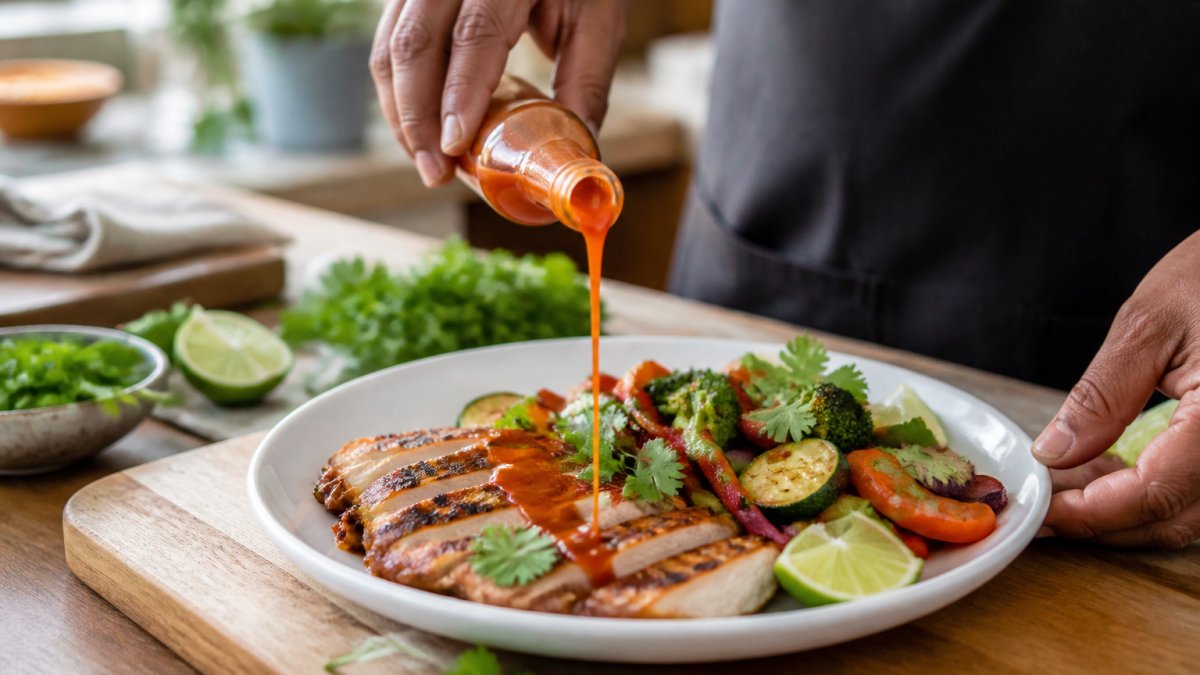
In marinades: Mix hot sauce with oil and acid (lime juice or vinegar) for grilled chicken, pork, or vegetables.
In soups and stews: Add hot sauce in the last five minutes so heat doesn't overwhelm other flavors.
In dressings and dips: Blend hot sauce with mayo, sour cream, or yogurt for a flavor-forward condiment. A spoon on grilled vegetables or roasted potatoes transforms them.
As a finishing element: Drizzle over finished dishes for brightness and depth, eggs, tacos, rice bowls, pasta, anything needing a boost.
Hot sauce adds heat, flavor complexity, and brightness. A fruity sauce like Mango Chipotle from Castaway Sauce Company works in marinades for pork or seafood; a citrus-forward sauce suits dressings; an intense sauce belongs in hearty stews.

Start with a teaspoon and build from there, hot sauce is concentrated flavor.
Ingredient Swaps and Versatile Pantry Staples for Weeknight Dinners
Your pantry determines how easily you can elevate simple home meals. Most guides list ingredients without explaining how to combine them.
The four-slot pantry framework
Think of every upgrade as filling four slots: salt, acid, fat, and aroma. If a dish tastes flat, one slot is empty, just check the slots.
- Salt slot: kosher salt, soy sauce or tamari, fish sauce, Worcestershire sauce, miso paste, Parmesan rind, nutritional yeast, capers, olives, anchovy paste
- Acid slot: lemon and lime juice, red wine vinegar, apple cider vinegar, rice vinegar, pickle juice, tomato paste, citrus-forward hot sauce
- Fat slot: olive oil, butter, sesame oil, coconut milk, tahini, full-fat yogurt, mayonnaise, rendered bacon fat
- Aroma slot: garlic, onion, smoked paprika, cumin, freshly ground black pepper, crushed red pepper, dried oregano, bay leaf, fresh herbs when you have them
The finishing ratio that works on almost anything
A common pattern is roughly one part acid to two parts fat, plus a pinch of salt and aroma, added in the last two minutes.
Before-and-after swaps for common weeknight dishes
Mango Chipotle — Castaway Sauce Company →
- Plain rice: Before, it is water and grain. After, stir in a spoon of butter, a squeeze of lime, a pinch of salt, and chopped cilantro. The rice did not change, the four slots got filled.
- Scrambled eggs: Before, salt and pepper only. After, finish with a small spoon of crème fraîche or full-fat yogurt for fat, a few drops of hot sauce for acid and heat, and a scatter of chives for aroma.
- Canned beans: Before, drained and heated. After, simmer with a spoon of tomato paste, a splash of vinegar, a pinch of cumin, and a drizzle of olive oil. Same can, different dish.
- Roasted vegetables: Before, oil and salt. After, toss with a spoon of tahini thinned with lemon juice, or finish with a drizzle of hot sauce and a sprinkle of flaky salt.
- Pasta with jarred sauce: Before, sauce straight from the jar. After, bloom a clove of grated garlic in olive oil, add the sauce, finish with a knob of butter, a pinch of crushed red pepper, and a torn basil leaf.
- Chicken breast: Before, salt and pepper. After, rub with smoked paprika and garlic powder, sear, then finish with a squeeze of lime and a drizzle of a citrus-forward hot sauce.
Substitutions when you are out of something
- No lemon? Use lime, rice vinegar, or a splash of pickle juice.
- No soy sauce? Use tamari for gluten-free, or a small amount of Worcestershire or miso thinned with water.
- No fresh herbs? Use a pinch of dried oregano or thyme, added earlier so it has time to bloom.
- No Parmesan rind? A spoon of nutritional yeast or a small piece of aged cheese dropped into the pot adds similar umami.
Dietary adaptations
The four-slot framework is naturally flexible.
A simple chicken breast becomes memorable with smoked paprika, a hot sauce finish, and a squeeze of lime.
The Ball Kicker sauce from Castaway Sauce Company works as a finishing element on almost everything.

Cooking Shortcuts That Don't Sacrifice Flavor
Speed and flavor aren't enemies. The right shortcuts actually build better meals.
Caramelize in batches: Cook onions and garlic until deeply golden before adding anything else. Five minutes creates the foundation, skipping it loses flavor.
Prep ingredients before you start: Mise en place isn't fancy, it's efficient. Chop garlic, measure spices, have hot sauce ready, so you're combining, not searching.
Finish with acid and heat: This two-minute step transforms everything.
Use batch cooking for weeknight speed: Cook proteins and vegetables in bulk, then combine them differently throughout the week.
According to food science research on flavor perception, how food tastes is heavily influenced by how it's finished, not just how it's cooked.
Batch Cooking and Freezer Meals That Taste Fresh
Batch cooking and freezer meals have a reputation for tasting bland because most people season lightly, then reheat without adding anything fresh.
The batch cooking strategy
- Cook proteins (chicken, ground meat, beans) with bold seasoning
- Roast vegetables with salt, pepper, and oil
- Store separately in containers
- Combine with fresh sauces, herbs, and hot sauce when eating
This approach gives you flexibility while maintaining flavor. A batch of seasoned ground beef works in tacos, pasta sauce, or grain bowls.
Before-and-after: how a batch actually upgrades across the week
- Monday, tacos: Reheat the ground beef, warm tortillas, top with diced onion, cilantro, lime, and a drizzle of hot sauce.
- Tuesday, pasta: Toss the same beef with jarred sauce, a spoon of tomato paste, and a knob of butter, then finish with Parmesan and crushed red pepper.
- Wednesday, grain bowl: Layer the beef over rice with roasted vegetables, a spoon of yogurt or tahini, and a squeeze of lemon.
- Thursday, soup: Simmer the beef in broth with canned beans and tomatoes, then finish with vinegar and fresh herbs.
Same base, four different meals, each finished differently. That is the pattern that keeps batch cooking from feeling repetitive.
Freezer meals that stay flavorful
- Soups and stews (freeze in portions)
- Marinades and sauces (freeze separately from proteins)
- Cooked grains and rice
- Roasted vegetables
When you reheat, add fresh elements: lemon, herbs, a drizzle of hot sauce.
Preserving texture when you freeze and reheat
Texture is where freezer meals usually fail. A few habits help:
- Cool food quickly before freezing. Spread it in a shallow container so it drops out of the temperature danger zone faster.
- Leave headspace in containers for expansion, and press out excess air or use a vacuum sealer to limit freezer burn.
- Freeze sauces and marinades separately from proteins so the protein does not sit in liquid and turn mushy.
- Reheat grains with a splash of water or broth and cover them so steam restores moisture.
- Reheat roasted vegetables in a hot oven (around 400°F) rather than a microwave so they crisp instead of steam.
- Add fresh herbs, acid, and crunchy toppings after reheating, never before, so they keep their texture.
Food safety when storing and reheating
Cool cooked food promptly and refrigerate within two hours of cooking (the CDC). Reheat leftovers to 165°F.
The Falling Iguana sauce from Castaway Sauce Company works beautifully as a finishing element on reheated meals.

| Meal Type | Storage Time | Reheating Method | Flavor Boost |
|---|---|---|---|
| Cooked proteins | 3 months | Stovetop or microwave | Hot sauce, fresh herbs |
| Soups and stews | 3 months | Stovetop (low heat) | Acid (lemon), hot sauce |
| Roasted vegetables | 2 months | Oven (400°F) | Oil, salt, hot sauce |
| Cooked grains | 2 months | Microwave with water | Broth, hot sauce |
Frequently Asked Questions
What's the fastest way to make simple meals taste better?
Start with acid and heat. A squeeze of fresh lemon or lime and a dash of hot sauce transform bland dishes in seconds. Castaway Sauce Company's Falling Iguana, with its citrus notes and Datil pepper complexity, adds brightness to grilled chicken or roasted vegetables without requiring extra cooking time. Layer in fresh herbs, toasted spices, or a pinch of smoked paprika for depth that rivals restaurant preparation.
How do I use hot sauce in cooking beyond just pouring it on top?
Hot sauce works as a marinade base, glaze ingredient, and flavor builder in soups and stews. Mix hot sauce with olive oil and garlic for a grilled chicken marinade, stir it into cream sauces for depth, or blend it into salad dressings. Blackbeard's Revenge, featured on Man v Food Nation, brings complex citrus and heat that enhances everything from tacos to scrambled eggs without overpowering the dish when used strategically.
Can I elevate simple meals without buying specialty ingredients?
Absolutely. Toasting dried spices, building flavor through proper seasoning technique, and using pantry staples like vinegar, garlic, and onions create depth without specialty purchases. However, a quality hot sauce like Mango Chipotle ($5.99) replaces multiple ingredients, it delivers smoke, heat, and sweetness in one bottle, making it one of the most cost-effective flavor upgrades for weeknight dinners.
What if I don't like spicy food, are hot sauces still useful for elevating meals?
Yes. Castaway Sauce Company offers a range from sweet to intense heat. Mango Chipotle delivers moderate spiciness with tropical sweetness, perfect for those who prefer flavor over fire. Ball Kicker adds bright citrus notes without extreme heat. Even mild-heat sauces contribute complexity, depth, and restaurant-quality flavor profiles that transform simple dishes without requiring high heat tolerance.