

How to Store Artisanal Hot Sauce: A Complete Guide
Table of Contents
- How to Store Artisanal Hot Sauce: Pantry vs. Refrigerator
- Understanding Hot Sauce Shelf Life: Unopened vs. Opened
- Refrigerating Hot Sauce After Opening: Best Practices
- Optimal Storage Conditions: Temperature, Light, and Humidity
- Signs of Spoiled Hot Sauce: How to Identify Spoilage
- Cap Hygiene and Re-Sealing: Preventing Cross-Contamination
- Storage Tips for Artisanal and Small-Batch Fermentation
- Frequently Asked Questions
Last Updated: October 4, 2026
How to Store Artisanal Hot Sauce: Pantry vs. Refrigerator
Storing artisanal hot sauce correctly preserves its bold flavors and extends its shelf life significantly. The key decision is whether to keep it in the pantry or refrigerator, and that choice depends on whether the bottle is opened or sealed. Maintaining the integrity of your pantry staples requires similar care, as storing artisanal spices properly prevents the loss of volatile oils and ensures your seasonings remain as vibrant as your sauces.
Understanding storage fundamentals helps you get the most enjoyment from your sauces. An unopened bottle stays fresh in a cool, dark pantry. Once opened, refrigeration becomes essential to prevent spoilage and flavor loss.
Unopened bottles: pantry storage basics
Unopened bottles of artisanal hot sauce can live in your pantry without refrigeration. The sealed cap creates an airtight seal that protects the contents from oxidation and bacterial growth. Room temperature storage works fine as long as you avoid heat and direct sunlight.
Keep unopened bottles in a cool, dark place. A pantry shelf away from the stove is ideal. Avoid storing them above the oven or near windows where they'll get warm. Heat exposure accelerates degradation. Direct sunlight damages the sauce's color and flavor compounds over time.
Many artisanal sauces use vinegar-based formulas with high acidity levels. This natural preservative extends shelf life significantly when the bottle stays sealed.
Opened bottles: why refrigeration matters
Once you open a bottle, refrigeration is non-negotiable. Exposure to air triggers oxidation, which degrades flavor and color. The airtight seal is broken, so bacterial growth becomes a real risk without cold temperatures.
Move opened bottles to the refrigerator immediately after use. Cold temperatures slow oxidation and prevent the growth of harmful microorganisms. The cooler environment essentially pauses degradation, keeping your sauce fresh much longer.
Don't leave an opened bottle on the counter between uses. Even a few hours at room temperature accelerates flavor loss and increases spoilage risk. Treat opened artisanal sauce like you would any perishable condiment.
Understanding Hot Sauce Shelf Life: Unopened vs. Opened
Shelf life differs dramatically between unopened and opened bottles. Knowing these timelines helps you use your collection strategically and avoid waste.
Unopened shelf life expectations
An unopened bottle of artisanal hot sauce typically lasts 1 to 3 years when stored properly in a cool, dark pantry. The exact timeline depends on ingredients, acidity levels, and fermentation methods.
Check the bottling date on your sauce label if available. The fresher the bottle when you buy it, the longer you have to enjoy it.
Temperature stability matters more than you might think. Pantries with consistent room temperatures preserve unopened bottles better than those with seasonal fluctuations. A pantry that stays between 50°F and 70°F is ideal.
Opened bottle timeline and storage duration
An opened bottle keeps for 4 to 6 months in the refrigerator. Some sauces last longer, especially those with high vinegar content and strong preservatives.
The moment you open the bottle, oxidation begins. Even in the refrigerator, the sauce slowly loses vibrancy. The flavor profile flattens slightly over time as volatile compounds escape.
Use opened bottles regularly to enjoy them at their peak. If you buy a case like the Ball Kicker case with 12 bottles, opening one at a time lets you enjoy fresh sauce throughout the year while keeping extras sealed in the pantry.

Refrigerating Hot Sauce After Opening: Best Practices
Proper refrigeration technique preserves flavor and prevents spoilage. A few simple habits make a big difference.
Temperature control and airtight sealing
Keep your refrigerator at 40°F or below. This temperature range slows oxidation and prevents bacterial growth. Most home refrigerators maintain this naturally, but check yours occasionally with a thermometer.
Always cap the bottle tightly after each use. An airtight seal prevents air from entering and degrading the sauce. Loose caps allow oxidation to accelerate dramatically. A tight cap is the difference between sauce that lasts 6 months and sauce that lasts 2 months.
Wipe the rim and cap with a clean cloth before sealing. Any residue or drips can harbor bacteria or mold. This simple step prevents cross-contamination and keeps the seal clean.
Preventing oxidation and flavor degradation
Oxidation happens when sauce contacts air. It causes color fading and flavor flattening. Minimize air exposure by storing the bottle upright with minimal headspace. Don't transfer sauce to a new container unless necessary.
Keep the bottle away from the refrigerator door. Temperature fluctuations near the door expose the sauce to repeated warming and cooling cycles. These swings accelerate degradation. Store it deeper inside where temperature stays consistent.
Light still matters even in the refrigerator. If your fridge has interior lighting, keep the bottle toward the back where it's darker. Some refrigerators have darker shelves that provide better protection than others.
Optimal Storage Conditions: Temperature, Light, and Humidity
The environment where you store artisanal hot sauce affects how long it stays fresh and flavorful.
Room temperature ranges and cool dry places
For unopened bottles, aim for a storage temperature between 50°F and 70°F. This range is cool enough to slow degradation but not so cold that it causes separation or crystallization. Most home pantries naturally fall into this window.
Humidity matters less than temperature, but excessively humid environments can damage labels and potentially affect seals over time. A dry pantry is better than a damp basement. Avoid storing sauce in kitchens with high moisture from cooking steam.
Consistency beats perfection. A pantry that stays at 65°F year-round is better than one that swings between 50°F and 80°F. Temperature fluctuations stress the seal and accelerate oxidation. Steady conditions preserve the sauce longer.
Protecting from direct sunlight and heat exposure
Never store artisanal hot sauce where sunlight hits the bottle directly. Ultraviolet light degrades the pigments that give hot sauce its color and damages flavor compounds.
Keep bottles away from heat sources. Don't store them above the stove, near the oven, or on counters near windows that get afternoon sun. Heat accelerates all chemical processes that degrade the sauce.
Dark glass bottles protect better than clear ones. The Falling Iguana case and other quality options use protective packaging for exactly this reason.

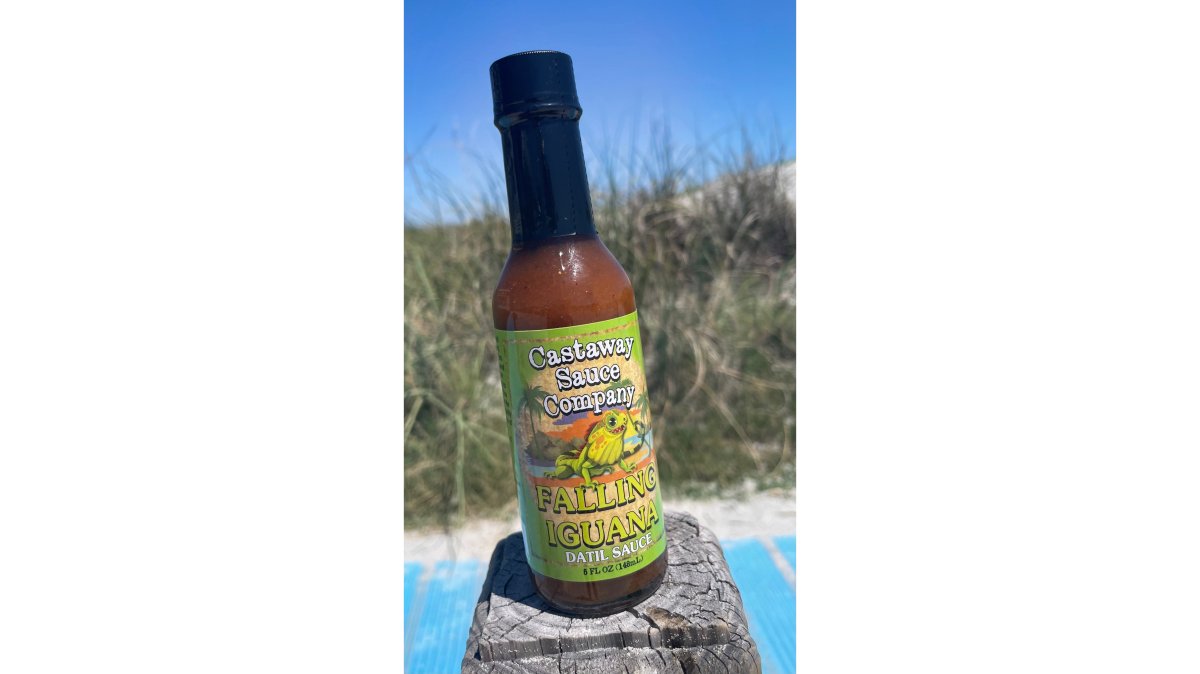
Signs of Spoiled Hot Sauce: How to Identify Spoilage
Knowing what spoilage looks and smells like keeps you safe and prevents wasted sauce.
Visual indicators: mold, cloudiness, and sedimentation
Mold growth is the clearest sign of spoilage. Look for any fuzzy growth on the surface or floating in the liquid. Mold appears as white, green, or black spots.
Cloudiness can indicate bacterial growth or oxidation. Fresh artisanal sauce is usually clear or opaque depending on the recipe. If a previously clear sauce turns cloudy, it's beginning to spoil.
Sedimentation is normal in fermented sauces and doesn't indicate spoilage. Shake the bottle gently before use.
Color changes matter. A sauce that darkens significantly or fades noticeably may be oxidizing. Some color change is normal over time, but dramatic shifts suggest storage problems.
Smell and taste assessment for food safety
Trust your nose. A sour, vinegary smell beyond what's normal for the sauce indicates spoilage. Fermented sauces smell pungent, but spoiled sauce smells off in a way you'll recognize immediately. When in doubt, throw it out.
A musty or moldy smell is a definite red flag. Don't taste sauce that smells wrong. Discard it.
If the smell seems normal, a small taste can confirm freshness. Fresh artisanal sauce tastes vibrant and complex. Spoiled sauce tastes flat, sour, or unpleasant. Spit it out immediately if something tastes wrong.
Never taste sauce from a bottle that shows visible mold or cloudiness. Visual signs are enough to discard it safely. Don't risk food poisoning.
Cap Hygiene and Re-Sealing: Preventing Cross-Contamination
The cap and rim are critical points where contamination enters the bottle.
Clean the bottle's rim and cap every time you use the sauce. Use a damp cloth to wipe away any residue or dried sauce.
Inspect the cap for cracks or damage. A damaged cap won't seal properly, allowing air and bacteria inside. Replace the bottle if the cap is compromised.
Don't share bottles directly. Pour sauce into a small bowl for serving or use a squeeze bottle to dispense individual portions.
Store the bottle upright with the cap pointing up. This position minimizes contact between the sauce and the cap, reducing the chance of degradation at the seal.
Storage Tips for Artisanal and Small-Batch Fermentation
Artisanal and fermented sauces have unique storage needs compared to mass-produced options.
Fermentation impact on preservation and acidity levels
Fermented hot sauces rely on natural acidity and beneficial bacteria to preserve themselves. This natural preservation extends shelf life significantly compared to fresh pepper blends.
High acidity levels are your friend. Vinegar-based sauces and those made through fermentation have pH levels that inhibit spoilage.
Some small-batch makers use minimal preservatives because fermentation does the work. This means the sauce is more sensitive to temperature fluctuations and light exposure. Proper storage becomes even more critical.
Ingredient-specific shelf life considerations
Sauces with fresh peppers and few additives spoil faster than vinegar-heavy formulas. Check the label for ingredient clues about shelf life expectations.
Sauces with added sugar may crystallize or separate over time. This doesn't mean they're spoiled, but it affects texture and consistency.
Smoked or roasted pepper sauces have different oxidation rates than raw pepper blends. Store them the same way, but expect slightly longer shelf life.
The Shipwreck Set offers variety across flavor profiles and heat levels. Different sauces in the set may have different optimal storage timelines based on their ingredients.

Proper storage transforms how long you enjoy your artisanal hot sauce collection. Unopened bottles thrive in a cool, dark pantry for over a year.
Frequently Asked Questions
How long does artisanal hot sauce last once opened?
Most artisanal hot sauces last 4-6 months after opening when refrigerated in an airtight container. Unopened bottles stored in a cool, dark place can last 1-2 years or longer, depending on acidity levels and preservatives. Vinegar-based sauces with higher acidity levels tend to have longer shelf life than fresh or fermented varieties. Always check for signs of spoilage before use, including mold, off-odors, or unusual cloudiness.
What are the signs of spoiled hot sauce?
Spoiled hot sauce shows visible mold growth, unusual cloudiness, or thick sedimentation at the bottom. Off-putting odors, sour smells beyond normal fermentation, or a fizzy appearance indicate bacterial growth. If the sauce tastes significantly different, flat, or has an unpleasant flavor, discard it. Food safety depends on proper storage; when in doubt, throw it out. Refrigeration and airtight sealing prevent most spoilage in opened bottles.
Should you refrigerate hot sauce after opening?
Yes, refrigerating hot sauce after opening extends shelf life significantly and slows oxidation and flavor degradation. While unopened bottles with high acidity can sit safely in a cool pantry, opened bottles benefit from refrigeration to prevent bacterial growth and preserve taste. Keep the cap tightly sealed to maintain an airtight environment. Temperature fluctuations in pantries accelerate spoilage, making refrigeration the safer choice for opened artisanal varieties.
How does fermentation affect hot sauce storage and shelf life?
Fermented hot sauces rely on acidity and beneficial bacteria that naturally preserve the product, often extending shelf life compared to fresh sauces. The fermentation process builds pH balance that inhibits harmful bacterial growth. However, once opened, fermented sauces still benefit from refrigeration to maintain flavor and prevent unwanted fermentation or oxidation. Small-batch artisanal sauces may have different preservation profiles depending on their specific ingredients and fermentation duration, so follow bottling date guidance when available.