

Mild Hot Sauce for Beginners: Start Your Spice Journey
Table of Contents
- Why Mild Hot Sauce Is the Perfect Entry Point
- Understanding Heat Levels: From No Spice to Noticeable Kick
- Finding the Best Mild Hot Sauce for Your Palate
- Hot Sauce with Flavor but No Heat: A Beginner's Advantage
- Mild Hot Sauce for Tacos and Eggs: Everyday Applications
- Building Your Spice Tolerance Over Time
- Common Mistakes Beginners Make (and How to Avoid Them)
- Frequently Asked Questions
Last Updated: October 5, 2026
Why Mild Hot Sauce Is the Perfect Entry Point
You don't need fiery peppers to start your spice journey. Mild hot sauce for beginners offers real flavor without the intimidation factor, and if you've avoided hot sauce out of fear, you're missing out on condiments that transform everyday meals.
A beginner-friendly approach lets you discover what you actually like about hot sauce beyond heat.
At Castaway Sauce Company, we know not everyone wants to set their mouth on fire. Our sauces deliver bold flavor with just enough kick to keep things interesting. Starting mild isn't settling for boring, it's building a foundation where taste outranks heat.
The real advantage of starting mild is long-term enjoyment: you can use these sauces multiple times a week, on tacos, eggs, chicken, burgers, and sandwiches, instead of leaving them in the fridge as a once-a-year novelty.
Understanding Heat Levels: From No Spice to Noticeable Kick
Heat in hot sauce comes from capsaicin, the compound in peppers that creates the burning sensation (pubmed.ncbi.nlm.nih.gov). Knowing the scale from mild to medium helps you choose with confidence.
A true beginner-friendly sauce sits in the lower range: noticeable but not overwhelming. You should taste the other ingredients, mango sweetness, chipotle smokiness, vinegar tang. If all you notice is heat, it isn't for your palate yet.
The progression typically looks like this:
| Heat Level | Pepper Type | Sensation | Best For |
|---|---|---|---|
| No heat | Sweet chili, banana pepper | Sweet, fruity, tangy | Heat-averse eaters |
| Mild | Jalapeño, cherry bomb | Gentle warmth, flavor-forward | Beginners building tolerance |
| Medium | Serrano, Fresno | Noticeable kick, sustained heat | Intermediate spice fans |
| Hot | Habanero, ghost pepper | Intense, lingering burn | Heat seekers |
Jalapeños are the gateway pepper for most beginners, a hint of heat without dominating flavor. Serranos bump it up slightly, still manageable. From zero spice experience, jalapeño-based sauces let you acclimate gradually.
A common beginner mistake is confusing "mild" with "flavorless." They aren't connected. A well-made mild sauce uses quality ingredients, proper seasoning, and technique for depth. Heat level and flavor quality are independent variables.
Finding the Best Mild Hot Sauce for Your Palate
The best mild sauce for you depends on the flavors you gravitate toward, tropical, smoky, tangy, or garlicky, and how much heat you tolerate now. Flavor matters most, but heat level decides whether you reach for the bottle again.
A beginner-friendly heat scale you can actually use
Scoville ratings measure capsaicin in a lab, not how hot a finished sauce tastes. Sugar, fat, acid, and salt mute perceived heat, which is why a mango-habanero sauce can taste gentler than a plain vinegar-and-serrano blend. Use this practical scale instead:
| Tier | Typical peppers | What it feels like | Beginner verdict |
|---|---|---|---|
| 0, No heat | Bell, banana, sweet cherry | Sweet, tangy, fruity; zero burn | Safe starting point |
| 1, Barely mild | Anaheim, poblano, mild jalapeño | Faint warmth that fades in seconds | Best first hot sauce |
| 2, Mild | Jalapeño, cherry bomb | Gentle, flavor-forward tingle | Comfortable daily driver |
| 3, Mild-medium | Serrano, Fresno | Noticeable kick that lingers briefly | Step up after a few weeks |
| 4, Medium | Cayenne, milder habanero | Real burn, still tastes like food | Intermediate territory |
Starting from zero? Aim for Tier 1 or 2. Most beginners find their sweet spot there and stay for months.
Side-by-side comparison of beginner-friendly styles
Rather than naming brands, compare sauce styles. This is what you'll actually see on shelves:
| Style | Heat tier | Flavor profile | Key ingredients | Best uses | Typical price (5 oz) |
|---|---|---|---|---|---|
| Mild jalapeño | 2 | Bright, grassy, vinegary | Jalapeño, vinegar, garlic, salt | Eggs, tacos, nachos | $4-$8 |
| Mango-habanero (mild recipe) | 2-3 | Sweet, tropical, smoky | Mango, habanero, vinegar, onion | Grilled chicken, fish tacos | $6-$10 |
| Chipotle | 2 | Smoky, earthy, mild sweetness | Smoked jalapeño, tomato, vinegar | Burgers, BBQ, beans | $5-$9 |
| Sweet chili | 0-1 | Sweet, garlicky, faint warmth | Red chili, sugar, garlic, vinegar | Spring rolls, fried chicken | $3-$6 |
| Louisiana-style | 2-3 | Tangy, vinegary, simple | Aged cayenne, vinegar, salt | Gumbo, eggs, greens | $3-$6 |
| Verde | 1-2 | Tart, herby, roasted | Tomatillo, jalapeño, cilantro | Pork, eggs, tacos | $5-$8 |
Prices vary by region and retailer, but the tiers hold. A $4 mild jalapeño sauce can outperform a $12 boutique bottle if the flavor matches your food.
Read the label like a beginner
Before you buy, scan for four things:
- First ingredient. Vinegar or water first means a thinner, sharper sauce; fruit or tomato first means a thicker, sweeter one.
- Added sugar. Sweet chili sauces can carry 4-8 g per teaspoon, fine on a spring roll, less fine if you're watching intake.
- Sodium. Many shelf-stable hot sauces run 100-250 mg per teaspoon. If you're limiting salt, look for a low-sodium option or use less.
- Allergens. Most vinegar-based sauces are naturally gluten-free, but some use wheat-based thickeners or soy sauce. Check for wheat, soy, and, in creamy or fruit-forward sauces, dairy or tree nuts.
How to taste a new sauce without regret
Start with a quarter-teaspoon on a spoon, not a pour over your plate. Let it sit on your tongue five seconds. Comfortable? Add a teaspoon to your food. Too much? You've lost only a quarter-teaspoon. First-timers often over-pour, then decide they hate hot sauce. Taste first, pour second.
When flavor matters more than heat
If you prefer no burn, look for Tier 0 sauces: sweet chili, banana pepper, or roasted red pepper blends. They deliver hot sauce's tang, depth, and complexity without capsaicin sting. Plenty of people build their whole rotation around them, there's no rule you must graduate to hotter.
Hot Sauce with Flavor but No Heat: A Beginner's Advantage
Most guides assume everyone wants heat eventually. Some people genuinely prefer flavor with no spice at all, and that's completely valid.
A no-heat sauce gives you hot sauce's advantages, complexity, depth, the ability to elevate simple meals, without burning.
The advantage is psychological: no anxiety, no bracing for pain. You're simply tasting a delicious condiment, which makes it easier to learn whether you enjoy hot sauce as a category or just disliked heat tolerance.
Many who claim they "don't like hot sauce" really mean they don't like burning.
As confidence grows with no-heat or minimal-heat options, you can explore slightly spicier profiles, but there's no obligation. Plenty of people happily stay at mild or no-heat. That's not settling; it's knowing yourself.
Mild Hot Sauce for Tacos and Eggs: Everyday Applications
Tacos and eggs are where mild hot sauce shines. Their delicate flavors are easily overwhelmed, so restraint is essential.
Mango Chipotle — Castaway Sauce Company →
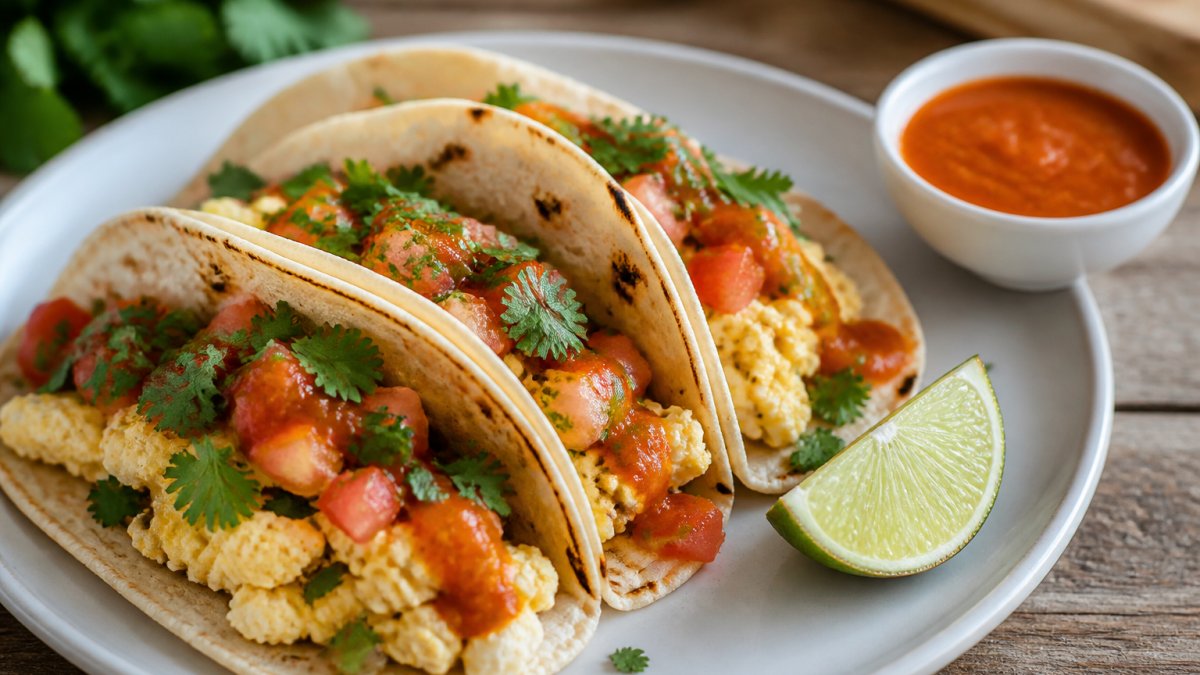
For breakfast tacos, choose something bright and fresh that complements eggs, cheese, and tortillas without dominating, a mild jalapeño-based or fruity sauce works perfectly.
Tacos in general benefit from mild sauce. Whether fish, carnitas, or vegetarian, a sauce with balanced heat becomes a supporting player, not the main event.
Eggs are surprisingly versatile with hot sauce, scrambled, fried, sandwiches, burritos all improve with a touch. Their creamy richness pairs beautifully with slightly spicy condiments; mild heat cuts through and adds brightness.
Beyond breakfast and tacos, mild hot sauce works on burgers, sandwiches, grilled chicken, roasted vegetables, and salad dressings.
Building Your Spice Tolerance Over Time
If you eventually want hotter sauces, a structured progression beats willpower. Your palate adapts through repeated, moderate exposure, not suffering. Here's a path most beginners can follow.
A four-week tasting path
| Week | Heat tier | Serving size | Frequency | Goal |
|---|---|---|---|---|
| 1 | Tier 1 (barely mild) | ¼ tsp | 3-4 times | Get comfortable with any warmth at all |
| 2 | Tier 2 (mild) | ½ tsp | 4-5 times | Notice flavor, not just heat |
| 3 | Tier 2 (mild) | 1 tsp | Daily | Make it routine |
| 4 | Tier 3 (mild-medium) | ½ tsp | 3-4 times | Test the next step |
This isn't a race. Many spend two months at Tier 2 before Tier 3 feels pleasant, that's normal.
Serving guidance for first-time tasters
A teaspoon is roughly a fingertip; a tablespoon is about three times that. For a beginner:
- Eggs or a single taco: start with ½ teaspoon.
- A burger or sandwich: 1 teaspoon spread across the bun.
- A bowl of chili or soup: 1 teaspoon stirred in, not drizzled on top.
- A dip: 1 tablespoon per half-cup of mayo, yogurt, or sour cream.
You can always add more. You cannot take it back.
What to do when a sauce is too hot
It happens. Recover without ruining the meal:
- Don't drink water. Water spreads capsaicin around your mouth. It makes things worse.
- Reach for fat. Whole milk, yogurt, sour cream, butter, or a spoon of peanut butter. Capsaicin is fat-soluble, so dairy and nut fats pull it off your tongue.
- Add starch. Bread, rice, or a tortilla dilutes the sauce and gives your mouth something else to process.
- Add acid or sweetness. A squeeze of lime or a drizzle of honey can cut perceived heat.
- Wait it out. Most mild-sauce burns fade in 2-5 minutes. If it's still building after 10, you've gone well past your tier.
Signs you're ready to move up
You're ready for the next tier when:
- Your current sauce tastes flavorful rather than hot.
- You want more of it, not less.
- You've used it four or more times in a week without discomfort.
If any of those aren't true, stay where you are. There's no prize for finishing the ladder.
When to stop climbing
Many people find their permanent home at Tier 2 or 3 and never go hotter. That's the ideal outcome, you've found sauces you genuinely enjoy using several times a week. Heat tolerance isn't a measure of anything except how much heat you personally like. If mild is your ceiling, you've still got dozens of sauces to explore within it.
Common Mistakes Beginners Make (and How to Avoid Them)
The most common error is buying the hottest sauce available to "toughen up" quickly.
Another mistake is choosing by brand reputation or packaging rather than heat level and flavor. A famous sauce that's medium-hot is the wrong choice for a beginner.
Don't assume all mild sauces taste the same, a mild jalapeño tastes completely different from a mild mango-based sauce. Try several to discover the flavor profiles you enjoy.
Many beginners also use too much sauce. A little goes a long way, a tablespoon or two enhances the meal, a quarter cup overwhelms it.
Finally, don't give up after one bad experience. Maybe the sauce was poorly made or slightly too hot. One experience doesn't define all hot sauce.
Finding the right mild hot sauce for beginners means prioritizing flavor and approachability over heat. Start with options like our Mango Chipotle sauce, which delivers authentic taste without overwhelming your palate.

Frequently Asked Questions
What are some good hot sauces for beginners?
Start with sauces that prioritize flavor over heat. Look for mild hot sauces made with jalapeños, banana peppers, or sweet chili bases rather than ghost peppers or habaneros. Mango Chipotle ($5.99) from Castaway Sauce Company combines tropical sweetness with smoky depth, the mango balances the heat, making it ideal for first-timers. Choose sauces labeled 'mild' or 'beginner-friendly' and read ingredient lists to ensure they feature peppers you recognize and ingredients you enjoy.
How can beginners choose a hot sauce with flavor but no heat?
Look for sauces that emphasize fruit, vinegar, or spice complexity over pure spiciness. Sweet chili sauces, mango-based blends, and tomato-forward options deliver bold flavor with minimal burn. Check the Scoville rating (heat scale) or ask for tasting notes that mention 'sweet,' 'fruity,' or 'tangy' rather than 'fiery' or 'intense.'
What foods pair well with mild hot sauce?
Mild hot sauce works on tacos, scrambled eggs, grilled chicken, burgers, and sandwiches. It enhances roasted vegetables, marinades, and dipping sauces without overpowering delicate flavors. Mild sauces are also excellent in soups, rice dishes, and as a finishing touch on pizza or avocado toast. Start by adding small amounts to familiar meals, this approach lets you taste how the sauce complements different foods without the shock of sudden heat, helping you build confidence and spice tolerance.
How do I build spice tolerance gradually?
Begin with mild hot sauces and use them regularly in meals you enjoy. After a week or two, try a sauce with slightly more heat. Your taste buds adapt quickly, what feels hot today will feel mild in a few days. Progress from mild to medium-heat sauces only after you're comfortable with your current level. Pair hot sauce with dairy (milk, yogurt, sour cream) to cool the burn if needed, and avoid jumping directly to extreme heat, which can create a negative experience and discourage future exploration.