

What Makes Artisanal Hot Sauce Special
Table of Contents
- What Defines Artisanal Hot Sauce
- The Role of Artisanal Hot Sauce Ingredients
- Fermented Hot Sauce: Craft Production Methods
- Artisanal vs. Mass-Produced: The Real Difference
- How to Choose Hot Sauce That Fits Your Palate
- Hot Sauce for Different Foods: Pairing and Versatility
- Why Artisanal Hot Sauce Deserves a Place in Your Kitchen
- Frequently Asked Questions
Last Updated: October 13, 2026
What Defines Artisanal Hot Sauce
Artisanal hot sauce is fundamentally different from what you grab off a grocery store shelf. It's a small-batch condiment crafted with intentionality, where ingredient quality and production methods matter as much as the final heat level. At Castaway Sauce Company, we understand that artisanal hot sauce represents a commitment to flavor complexity, ingredient transparency, and the kind of care that mass-produced alternatives simply cannot match.
The distinction goes beyond marketing language. Artisanal hot sauce typically comes from small producers who control their supply chain, experiment with unique pepper varieties, and prioritize taste development over shelf stability. These makers often ferment their sauces, blend unexpected ingredients, and adjust recipes based on seasonal pepper harvests rather than maintaining identical batches year-round.
What separates artisanal from ordinary is the philosophy behind production. Mass-produced hot sauce prioritizes consistency, long shelf life, and cost efficiency. Artisanal hot sauce prioritizes flavor. A maker might source habaneros from a specific region, ferment them for months, and combine them with unexpected ingredients like mango or chipotle to create a profile that can't be replicated by industrial processes. The result is a sauce with depth, character, and the kind of complexity that transforms a simple meal into an experience.
The Role of Artisanal Hot Sauce Ingredients
Ingredient quality is where artisanal hot sauce separates itself most visibly. The peppers you choose determine everything: heat level, flavor profile, and the sauce's ability to enhance rather than overpower a dish. Fresh chili peppers deliver brightness and complexity that dried peppers alone cannot achieve, while fermented peppers develop deeper, more nuanced flavors over time.
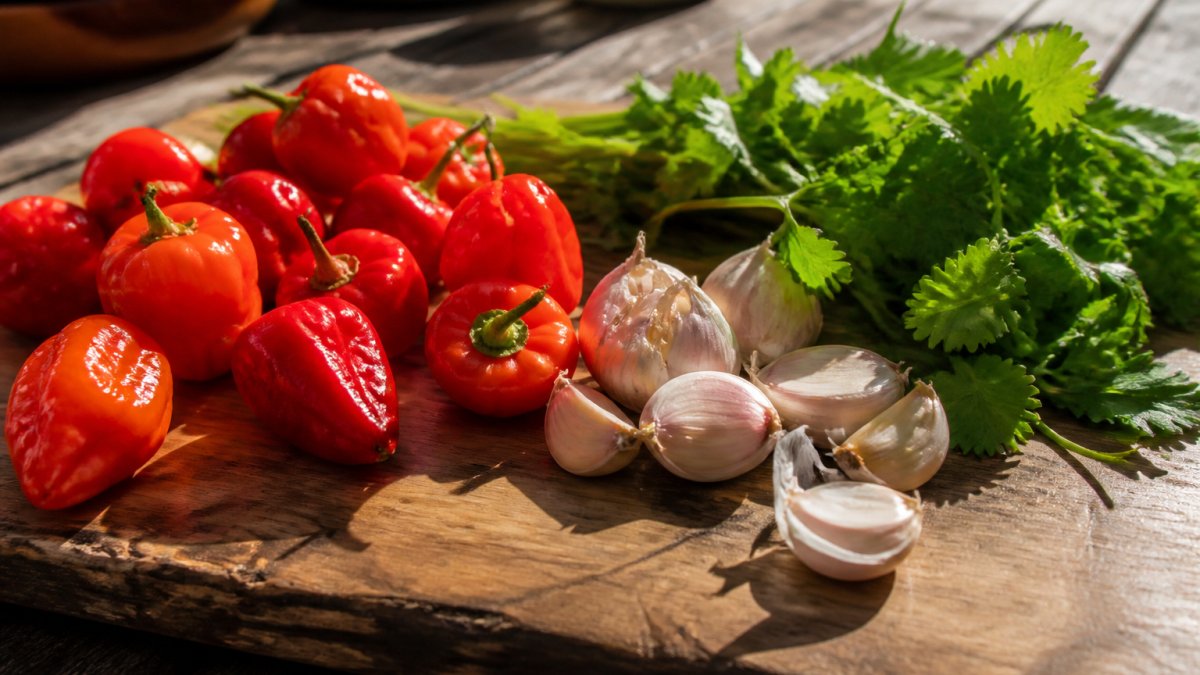
Pepper varieties matter tremendously. Habaneros bring fruity heat and citrus notes. Chipotles contribute smokiness and depth. Datil peppers, regional to certain areas, offer a slightly smoky profile that few other peppers can match. Thai chilies deliver sharp, clean heat without much flavor complexity.
Beyond peppers, supporting ingredients transform a simple hot sauce into something remarkable. Vinegar provides acidity and preservation. Garlic adds savory depth. Honey or fruit introduces balance and sweetness. Salt doesn't just season; it amplifies other flavors and helps preserve the sauce naturally.
Sourcing transparency matters too. Knowing where peppers come from, how they were grown, and whether they were harvested at peak ripeness tells you something about the maker's commitment to quality. Some artisanal producers work directly with farmers, ensuring consistent quality and supporting agricultural practices that prioritize flavor over yield.
Fermented Hot Sauce: Craft Production Methods
Fermentation separates truly exceptional artisanal hot sauce from everything else. This ancient technique transforms raw peppers into something with deeper complexity, better preservation, and more sophisticated flavor development. When peppers ferment, natural bacteria break down cell walls, releasing flavors that wouldn't exist in fresh sauce.
The fermentation process typically takes weeks or months. Fresh peppers are combined with salt and sometimes other ingredients, then left in controlled conditions where beneficial bacteria colonize the mixture. This slow transformation develops flavors you cannot achieve through cooking alone. The result is a sauce with layered taste, better natural preservation, and a more interesting finish on the palate.
Mass-produced hot sauce skips fermentation entirely. Manufacturers cook peppers quickly, add preservatives for shelf stability, and bottle the result within days. They prioritize speed and consistency over flavor development. The difference is obvious when you taste them side by side: fermented artisanal sauce has complexity and depth, while industrial sauce tastes flat and one-dimensional.
Different fermentation approaches yield different results. Some makers ferment whole peppers before blending. Others ferment a paste of peppers and salt. The duration, temperature, and ingredients added during fermentation all influence the final flavor profile. This variability is actually a strength of artisanal production; each batch reflects the conditions of that particular season and the maker's intentional choices.
Artisanal vs. Mass-Produced: The Real Difference
Understanding how mass-produced hot sauce is made explains why artisanal versions taste so different. Industrial manufacturers prioritize three things: shelf stability, cost reduction, and consistency across millions of bottles. These goals fundamentally conflict with the artisanal approach.
Mass-produced hot sauce uses preservatives like sodium benzoate or potassium sorbate to extend shelf life indefinitely. These chemicals are safe but prevent the natural fermentation and flavor development that characterize artisanal sauces. The peppers are often processed quickly, cooked, blended, and bottled within days. There's no time for fermentation, no opportunity for flavors to develop.
Artisanal producers make the opposite trade-off. They accept shorter shelf lives in exchange for superior flavor. They invest in quality peppers and supporting ingredients rather than cheap fillers. They spend months on fermentation rather than hours on cooking. The result costs more per bottle but delivers measurably better taste.
Cost structure reveals the difference clearly. An artisanal hot sauce like Castaway Sauce Company's Blackbeard's Revenge, which appears on Travel Channel's Man v Food Nation, costs more because it reflects the actual cost of quality ingredients and careful production.

The flavor comparison is where the difference becomes undeniable. Mass-produced sauce tastes one-dimensional: hot, salty, maybe vinegary. Artisanal sauce tastes complex: you notice the pepper variety, the fermentation character, the supporting ingredients working together. One is a condiment you use to add heat. The other is an ingredient that enhances the dish.
How to Choose Hot Sauce That Fits Your Palate
Selecting the right artisanal hot sauce starts with understanding your heat tolerance and flavor preferences. The Scoville scale measures capsaicin content, but it doesn't tell the whole story. A sauce rated at 100,000 Scoville units might feel mild if it has smooth, creamy heat, or brutal if the heat comes on suddenly and lingers.
Start by considering what you actually enjoy eating. If you prefer mild flavors, look for artisanal sauces that emphasize fruit, smokiness, or garlic over raw heat. Castaway Sauce Company's Mango Chipotle combines sweet tropical notes with smoky chipotle depth, heat is present but balanced by flavor. This approach works for people who want complexity without face-melting intensity.
Mango Chipotle — Castaway Sauce Company →

If you enjoy moderate heat with interesting flavor, sauces like Ball Kicker, made with orange habaneros, citrus, and chiles d'arbol, deliver bright flavor alongside noticeable heat. The citrus provides a flavor-first experience where heat enhances rather than dominates.

For genuine heat seekers, artisanal producers offer sauces like Blackbeard's Revenge that don't compromise on intensity. These are made for people who actively want serious capsaicin delivery alongside complex flavors. The difference from mass-produced extreme sauces is that artisanal versions still taste like something; the heat doesn't obliterate the flavor profile.
| Heat Level | Flavor Priority | Example Profile | Best For |
|---|---|---|---|
| Mild (0-50K Scoville) | Sweet, fruity, smoky | Mango and chipotle balance | Adding flavor without heat |
| Moderate (50K-100K Scoville) | Bright, citrus, garlic | Habanero with citrus notes | Everyday cooking, versatility |
| Hot (100K-300K Scoville) | Complex, layered, spicy | Fermented peppers with depth | Heat seekers wanting flavor |
| Extreme (300K+ Scoville) | Pure intensity with character | Multiple pepper varieties | Challenge seekers |
Taste before committing to a full bottle if possible. This lets you verify that a sauce actually works with your cooking style and palate before investing in a larger quantity.
Hot Sauce for Different Foods: Pairing and Versatility
The versatility of artisanal hot sauce depends entirely on its flavor profile. A well-made artisanal hot sauce should enhance dishes rather than mask them, which means matching the sauce's character to the food's natural flavors.
Fruity, slightly sweet artisanal sauces work beautifully with grilled proteins. The sweetness balances char, while the fruit notes complement the meat's richness. Mango-based sauces pair especially well with chicken, fish, and shrimp.
Smoky artisanal sauces enhance barbecued meats, roasted vegetables, and anything with char or caramelization. The smokiness amplifies existing depth rather than introducing something foreign. Chipotle-based sauces fall into this category and work across a wider range of dishes than fruit-forward alternatives.
Garlic-forward, savory artisanal sauces work as condiments for nearly everything: tacos, eggs, pizza, roasted vegetables, grains, and soups. These are the most versatile options because they add flavor without introducing sweetness or unusual fruit notes that might clash with certain dishes.
Heat-focused artisanal sauces for extreme seekers work best on foods that can handle serious intensity: wings, challenging food competitions, or standalone tasting experiences. These aren't necessarily condiments for everyday meals; they're more about the experience of the heat itself.
The key insight is that artisanal hot sauce invites experimentation. Because the flavor profile is complex and intentional, you discover new applications naturally. A sauce you initially bought for tacos might become your go-to for eggs, then marinades, then pizza. That versatility is a hallmark of quality.
Why Artisanal Hot Sauce Deserves a Place in Your Kitchen
Investing in artisanal hot sauce is ultimately an investment in how you experience food. Mass-produced alternatives serve a purpose, they add heat cheaply, but they don't elevate cooking or create memorable meals. Artisanal hot sauce does both.
The practical argument is straightforward: a bottle of quality artisanal hot sauce lasts weeks or months because you use less of it. The flavor is concentrated and intentional, so a teaspoon delivers more impact than a tablespoon of industrial sauce.
The experiential argument matters more. Cooking is about more than calories and nutrition; it's about pleasure and discovery. An artisanal hot sauce made with real ingredients, developed through fermentation, and crafted with intention changes how a meal tastes.
At Castaway Sauce Company, we've built our entire approach around this principle. Whether you're exploring Falling Iguana's unique Datil pepper base or the intensity of Blackbeard's Revenge, each sauce represents a deliberate choice to prioritize flavor and quality.
The choice between artisanal and mass-produced hot sauce is ultimately a choice about what you value in food. If you cook because you have to, mass-produced sauce is fine. If you cook because you want meals that taste good and feel intentional, artisanal hot sauce is the obvious choice.
Quality hot sauce transforms ordinary cooking into something worth anticipating. Artisanal hot sauce, made with real ingredients, developed through proper fermentation, and crafted with intention, is the difference between a condiment and a catalyst for better meals.
Frequently Asked Questions
What makes a hot sauce artisanal?
Artisanal hot sauce is defined by small-batch production, quality ingredient sourcing, and intentional flavor development. Unlike mass-produced sauces made in large volumes with standardized recipes, artisanal sauces prioritize complexity and balance. Many use fermentation, regional peppers, and natural ingredients without artificial preservatives. The result is a sauce with distinct character that reflects the maker's craft and culinary vision.
How is artisanal hot sauce different from mass-produced hot sauce?
Artisanal sauces emphasize flavor depth and ingredient quality, often using fresh peppers, natural fermentation, and carefully sourced spices. Mass-produced versions prioritize shelf stability and consistency, relying on preservatives, vinegar, and standardized blends that sacrifice complexity for uniformity. Artisanal makers also typically control batch sizes and adjust recipes based on seasonal ingredient availability, while mass-produced sauces remain identical year-round.
Does artisanal hot sauce have to be fermented?
Fermentation is a common production method in artisanal hot sauce but not a requirement. Some craft makers ferment their sauces for weeks or months to develop deeper, more complex flavors and natural preservation. Others use fresh peppers, cooking, and careful ingredient balance to achieve quality without fermentation. The key distinction is intentional flavor development and ingredient transparency, regardless of the production method used.
How do you choose an artisanal hot sauce for different foods?
Consider the heat level first: smoky, fruity sauces pair well with grilled meats and BBQ, while bright, citrus-forward sauces complement fish and fresh vegetables. Tangy, vinegar-based sauces work on tacos and eggs, and complex blends suit soups and marinades. Start by identifying your preferred flavor profile and heat tolerance, then match it to dishes where those flavors enhance rather than overpower the main ingredient. Taste-testing smaller bottles helps you find versatile options you'll reach for regularly.