

How to Balance Heat and Flavor in Spicy Dishes
Table of Contents
- Understanding Capsaicin and the Scoville Scale
- Building Heat Progressively Without Overwhelming Flavor
- Balancing Acidity and Spice in Your Dishes
- Adding Flavor to Bland Chicken Recipes with Heat
- How to Neutralize Spicy Food When Heat Gets Out of Hand
- Tasting and Adjusting During Cooking
- Mastering Heat-to-Flavor Ratios for Different Cuisines
- Frequently Asked Questions
Last Updated: September 27, 2026
Understanding Capsaicin and the Scoville Scale
Capsaicin is the compound in chili peppers that creates the burning sensation on your tongue and throat. It's not actually heat, it's a chemical that tricks your brain into thinking your mouth is on fire. Understanding capsaicin is the first step toward balancing heat and flavor in your cooking.
The Scoville Scale measures how much capsaicin a pepper contains. A bell pepper scores zero. A jalapeño ranks around 2,500 to 8,000 Scoville Heat Units (SHU). Habaneros jump to 100,000 to 350,000 SHU. Ghost peppers exceed 1,000,000 SHU. Knowing where your peppers fall on this scale helps you predict how much heat they'll bring to a dish.
Here's what matters: capsaicin is fat-soluble, not water-soluble. Milk, cream, and oil neutralize it. Water won't help. This fact shapes every technique for balancing heat and flavor in your kitchen.
Building Heat Progressively Without Overwhelming Flavor
The biggest mistake home cooks make is dumping all their hot sauce into a dish at once. You can't undo that decision. Build heat slowly instead.
Start with a small amount, a quarter teaspoon of hot sauce or a single diced chili pepper. Taste. Wait 30 seconds for the heat to register on your palate. Then add more if needed. This method prevents you from overshooting and ruining an entire meal.
Progressive seasoning works because your palate adapts. The first bite feels intense. By the fifth bite, your mouth has adjusted and the same heat level feels milder. If you build gradually, you'll hit the right balance where the heat enhances flavor rather than masking it.
Add heat in these stages:
- Start with 25% of the amount you think you'll need
- Taste and assess after 60 seconds
- Add another 25% if needed
- Repeat until you reach the flavor profile you want
- Stop before you think you're done
This approach also lets you preserve the unique flavor notes in your hot sauce. Castaway Sauce Company's Mango Chipotle showcases this principle perfectly, the tropical sweetness of mango balances the smoky depth of chipotle peppers. Add it gradually so the fruity notes shine through rather than getting buried under raw heat.

Balancing Acidity and Spice in Your Dishes
Acidity cuts through heat. It's one of the most powerful tools in balancing heat and flavor. When a dish feels too spicy, acidity can save it.
Acidic ingredients include vinegar, lime juice, lemon juice, and tomatoes. These add tang that distracts your palate from capsaicin. The sourness activates different taste receptors than heat does, creating complexity instead of just fire.
Add acid gradually, the same way you add heat. A squeeze of fresh lime juice can transform an over-spiced dish. A splash of vinegar adds depth. Start with a small amount and build from there.
Acidity works best when:
- Added near the end of cooking
- Combined with fat (oil or butter) to emulsify
- Balanced against sweetness and umami
- Paired with fresh aromatics like garlic and cilantro
The relationship between acidity and spice is fundamental to balancing heat and flavor. Think of it as a triangle: heat on one point, acidity on another, and sweetness on the third. When all three are present, they support each other rather than compete.
Adding Flavor to Bland Chicken Recipes with Heat
Chicken is a blank canvas. It needs bold flavors to come alive. This is where hot sauce becomes your secret weapon for adding flavor to bland chicken recipes.
The key is using hot sauce as a marinade, a basting liquid, or a finishing sauce, not just a condiment on the side. When heat is part of the cooking process, it infuses the meat rather than sitting on top.
Three ways to add flavor to bland chicken recipes with heat:
Mango Chipotle — Castaway Sauce Company →
- Marinade: Mix hot sauce with oil and acid. Coat the chicken and refrigerate for 2-4 hours. The heat penetrates the meat while the acid tenderizes it.
- Basting liquid: Brush hot sauce onto chicken while grilling or roasting. The heat caramelizes on the outside while the meat stays moist inside.
- Finishing sauce: Toss cooked chicken in hot sauce mixed with butter or oil. The fat carries heat flavor throughout while preventing it from feeling too intense.
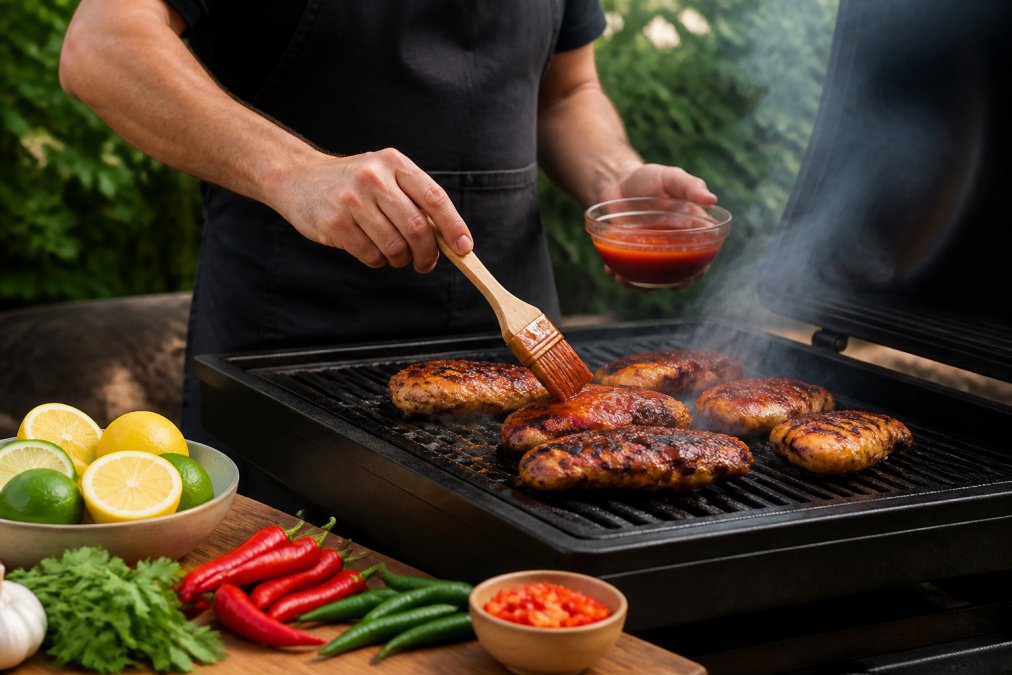
Castaway Sauce Company's Ball Kicker works perfectly here. Orange habaneros, citrus, and garlic create a bright flavor profile that complements chicken without overwhelming it. The moderate spice level means you can use more sauce without burning your palate, letting the fruity and garlicky notes shine through.

For a more intense heat profile, Blackbeard's Revenge brings complex citrus layers beneath the fire. This sauce was featured on Travel Channel's Man v Food Nation, it's designed to balance punishing heat with actual flavor depth.

How to Neutralize Spicy Food When Heat Gets Out of Hand
You added too much heat. It happens. The key to rescue is understanding why certain ingredients work and how much to add without overcorrecting.
The chemistry of capsaicin neutralization:
Capsaicin is fat-soluble, meaning it bonds to lipid molecules. When you add fat, butter, cream, sour cream, coconut milk, or oil, the casein protein in dairy products (or the fat itself) physically binds to capsaicin and removes it from your mouth. This isn't masking; it's chemical neutralization. A single tablespoon of butter or heavy cream can noticeably reduce the burn in a pot of soup or sauce because the fat coats your palate and traps capsaicin molecules.
Sugar doesn't neutralize capsaicin; it distracts your brain from the heat signal. Capsaicin triggers pain receptors (TRPV1 channels) (Checking your browser). Sweetness activates different taste receptors, creating competing sensations. Your brain prioritizes the sweet signal over the burn, making the heat feel less intense. This is why a pinch of sugar or a drizzle of honey works in a pinch, but it's a temporary fix, not a solution.
Starch (rice, bread, pasta, or potatoes) absorbs capsaicin-laden oil and fat from your mouth and throat. It doesn't neutralize the compound; it removes it from contact with your pain receptors.
Rescue strategies by dish type:
The neutralization protocol:
- Identify your primary problem: Is the heat overwhelming flavor, or is the dish just too spicy to eat?
- Add fat first (1 tablespoon per serving, adjusted for dish size). Stir and wait 2 minutes.
- Taste. If heat is still dominant, add a sweetener (½ teaspoon honey or sugar per serving).
- Taste again. If the dish now tastes flat or one-dimensional, add acid (½ teaspoon lime juice or vinegar per serving) to restore complexity.
- If the dish is still too hot and you've added fat and sweetness, add starch (serve with rice, bread, or add cooked pasta) to absorb remaining capsaicin.
- Never add water or alcohol. Water spreads capsaicin around your mouth and intensifies the burn. Alcohol (wine, beer, spirits) does the same, capsaicin is slightly alcohol-soluble, so it actually increases the sensation.
Common mistakes in rescue attempts:
- Adding too much sweetness at once, which makes the dish cloying instead of balanced.
- Thinning the dish with water or broth, which dilutes flavor and spreads capsaicin.
- Adding acid before fat, which can make the dish taste sour instead of balanced.
- Giving up too early. Wait 2 minutes between additions for your palate to adjust and for ingredients to distribute.
Tasting and Adjusting During Cooking
The only way to balance heat and flavor correctly is to taste constantly. Not at the end, throughout the entire cooking process.
Tasting protocol for balancing heat and flavor:
- Taste after each major addition (heat, acid, fat, sweetness)
- Wait 30-60 seconds between tastes for your palate to adjust
- Take small tastes (one teaspoon) to avoid overwhelming yourself
- Cleanse your palate with water or bread between samples
- Adjust one element at a time, never multiple things at once
Mastering Heat-to-Flavor Ratios for Different Cuisines
Different cuisines expect different balances between heat and flavor. Thai food uses heat as a dominant flavor. Mexican food balances heat with citrus and fat. Indian food layers heat with spices and aromatics. Learning these ratios helps you build authentic dishes.
Frequently Asked Questions
How do you balance heat and flavor without making a dish too spicy?
Start with small amounts of hot sauce or chili peppers and build heat progressively as you taste. The key is layering flavors, use aromatics like garlic, acidity from vinegar or citrus, and fat to create depth that complements the heat. This approach lets you reach your desired spice level while maintaining a complex flavor profile instead of one-note burn.
What's the best way to neutralize spicy food if you've added too much heat?
Dairy products like sour cream, yogurt, or milk can help reduce perceived heat. Sugar and fat also help balance intense spice. For sauces and soups, adding more of the base ingredient (broth, tomato, or cream) dilutes the heat. Acid from vinegar or lemon can shift focus away from raw capsaicin burn toward flavor complexity.
How does acidity help balance spice in cooking?
Acidity from vinegar, citrus, or tomatoes brightens spicy dishes and prevents heat from feeling flat or overwhelming. The tang cuts through the foreground fire of capsaicin, allowing other flavors to emerge. This balance is why hot sauces often contain vinegar, it's not just preservation; it's a culinary technique that makes heat feel more refined and layered rather than aggressive.
Can I use hot sauce to add flavor to bland chicken without making it too spicy?
Yes. Choose a sauce with a balanced flavor profile, look for options that combine heat with fruity, smoky, or citrus notes rather than pure capsaicin intensity. Mango Chipotle, for example, blends sweet tropical notes with moderate spice, making it ideal for chicken. Mix the sauce into a marinade with oil and acid, or use it as a finishing glaze applied in the last few minutes of cooking to control heat intensity.