

How to Balance Spice and Sweetness in Any Dish
Last Updated: October 22, 2026
Quick Summary
To balance spice and sweetness, pull one lever at a time: sweetener, fat, acid, or dilution, tasting between each adjustment. Sugar masks heat rather than removing capsaicin, so add it in small amounts and stop when the heat reads as background rather than foreground.
- Start with dairy or fat, then acid, and only then reach for sweetener when a dish is too spicy.
- Add half the starting amount of sweetener, stir, wait ten seconds, and taste before adding the rest.
- Acid and salt are your first tools when a dish tastes too sweet, then add heat.
- Build sauces in layers: heat base first, sweetener second, acid and salt last.
- Stop adding sweetener when the dish tastes like its main ingredient before it tastes sweet.
Table of Contents
- The Four Levers That Balance Spice and Sweetness
- Ingredients That Balance Spicy Food
- How to Fix Food That Is Too Spicy
- How to Fix Something That Tastes Too Sweet
- Sweetener Selection and Dosage by Dish Type
- Building a Sweet and Spicy Sauce Recipe From Scratch
- A Tasting Method: Adjust in Small Steps
- Frequently Asked Questions
The Four Levers That Balance Spice and Sweetness
Learning how to balance spice and sweetness comes down to four levers: sweetener, fat, acid, and dilution. Pull one lever at a time, taste between each adjustment, and you stay in control of the dish instead of chasing it. Mastering these adjustments requires a nuanced understanding of how authentic spice profiles interact with sugar to create depth rather than mere heat.
Here's the part most guides skip: sugar does not remove capsaicin, the compound behind the burn. It redirects your attention. That distinction changes how you cook.
Below, we'll show you how to balance spice and sweetness in a finished dish and while building a recipe from scratch.
Why Sweetness Only Masks Heat
Sweetness covers heat, it doesn't cancel it. Capsaicin binds to pain receptors in your mouth, and sugar simply distracts your palate from the signal. The burn is still there, waiting.
That matters for two reasons. First, too much sugar turns a spicy dish syrupy and flat. Second, the heat creeps back after you swallow. A sauce that tastes mild on the first bite can feel hot ten seconds later.
The Difference Between Reducing Burn and Balancing Flavor
Reducing burn is a rescue job. Balancing flavor is a cooking skill. Dairy and fat coat your palate and calm the sensation fast. Sweetener, acid, and salt change how the whole dish reads.
A dish can be less hot and still taste worse. If you only chase relief, you end up with a sweet, muddy plate. Aim for a flavor profile where heat, sweet, sour, and salt each do a job.
Ingredients That Balance Spicy Food
The ingredients that balance spicy food fall into three groups: sweeteners, fats, and acids. Each one works differently, and the best dishes use two or three together.
Sweeteners: Sugar, Honey, and Fruit
Sugar is the fastest fix and the easiest to overdo. Honey brings sweetness plus body, which suits glazes and dressings. Fruit gives sweetness with texture and a little tartness.
- Granulated sugar: neutral, quick, best for tomato and vinegar-based dishes
- Honey: thicker, sweeter per spoon, good for grilled meats and slaws
- Fruit: mango, pineapple, or peach puree adds sweetness and depth
Dairy, Acid, and Fat
Dairy cools the palate because fat and casein help pull capsaicin away from receptors. Sour cream, yogurt, milk, and coconut milk all work. Acid does a different job: a squeeze of lime or a splash of vinegar sharpens flavor and keeps sweetness from taking over.
Fat from oil or butter carries flavor and softens harsh edges. Add acid last, taste, then decide if you need more.
How to Fix Food That Is Too Spicy
Start with dairy or fat, then add acid, and only then reach for sweetener. That order fixes the burn without turning dinner into dessert.
- Stir in dairy. Add a spoon of sour cream, yogurt, or coconut milk. Taste.
- Add fat. A little butter or oil rounds out sharp heat.
- Brighten with acid. Lime, lemon, or vinegar lifts the whole dish.
- Add sweetener in small amounts. A pinch of sugar or honey, then taste again.
- Dilute if needed. More liquid, more rice, or more of the base ingredient.
For a sauce-based dish, swap in a milder bottle. Our Mango Chipotle brings sweet mango and smoky chipotle with moderate heat, so it adds depth without a punishing burn. You can find Mango Chipotle here: https://castawaysaucecompany.com/products/mango-chipotle-castaway-sauce-company

How to Fix Something That Tastes Too Sweet
Acid and salt are your first tools when a dish tastes too sweet. A squeeze of lemon or a splash of vinegar cuts through sugar fast.
Then add heat. This is where a sauce earns its keep: a teaspoon of Blackbeard's Revenge stirred into a sweet BBQ base adds punishing heat and citrus bite that pulls the sugar back into line.

If the dish is still cloying, add bulk: more protein, more vegetables, or more of the base liquid.
Sweetener Selection and Dosage by Dish Type
Match the sweetener to the dish and to the heat level, then adjust in small steps.
Mango Chipotle — Castaway Sauce Company →
Use the table as a starting point, not a rule. Add half the starting amount, stir, wait ten seconds, and taste before adding the rest.
| Dish Type | Best Sweetener | Starting Amount | Adjustment Step | Watch Out For |
|---|---|---|---|---|
| Tomato-based sauce | Granulated sugar | 1/2 teaspoon per cup | 1/4 teaspoon per cup | Overshooting fast; sugar dissolves silently |
| Stir-fry | Honey or brown sugar | 1 teaspoon per pan | 1/2 teaspoon | Burning in a hot wok; add off heat |
| Grilled meat glaze | Honey | 1 teaspoon per 2 tbsp sauce | 1/2 teaspoon | Scorching over high heat; brush late |
| Slaw or salad | Fruit juice or honey | 1 teaspoon per bowl | 1/2 teaspoon | Making it watery; drain fruit first |
| Chili or stew | Brown sugar | 1 teaspoon per quart | 1/2 teaspoon | Hiding the pepper flavor |
| Marinade | Maple syrup or honey | 1 teaspoon per 1/2 cup | 1/2 teaspoon | Sugar burning on the grill |
| Salsa or hot sauce | Fruit puree or honey | 1/2 teaspoon per cup | 1/4 teaspoon | Muting the pepper's bright notes |
Three rules make the table work in practice. First, add sweetener before you add acid, because acid sharpens the palate and makes it harder to judge sweetness. Second, taste after ten seconds, since capsaicin's burn builds and fades and a fast second taste lies to you. Third, stop when the heat reads as background rather than foreground.
Sweetener selection also depends on the heat level. Mild sauces like a mango-based bottle need less sweetener because the fruit already carries sugar.
Building a Sweet and Spicy Sauce Recipe From Scratch
Build the sauce in layers: heat base first, sweetener second, acid and salt last. This order lets you taste the heat level before sweetness changes it.
Start with your pepper or hot sauce base. Add sweetener a little at a time. Finish with acid, salt, and fat. Taste after every addition.
Our Falling Iguana shows the idea in a bottle. The Datil pepper, regional to the St.
A Tested Starter Ratio
Use this as a starting point, then adjust to taste:
- 1 part hot sauce (or 1 teaspoon Blackbeard's Revenge for a serious kick)
- 1 part sweetener (honey or fruit puree)
- 1/2 part acid (lime juice or vinegar)
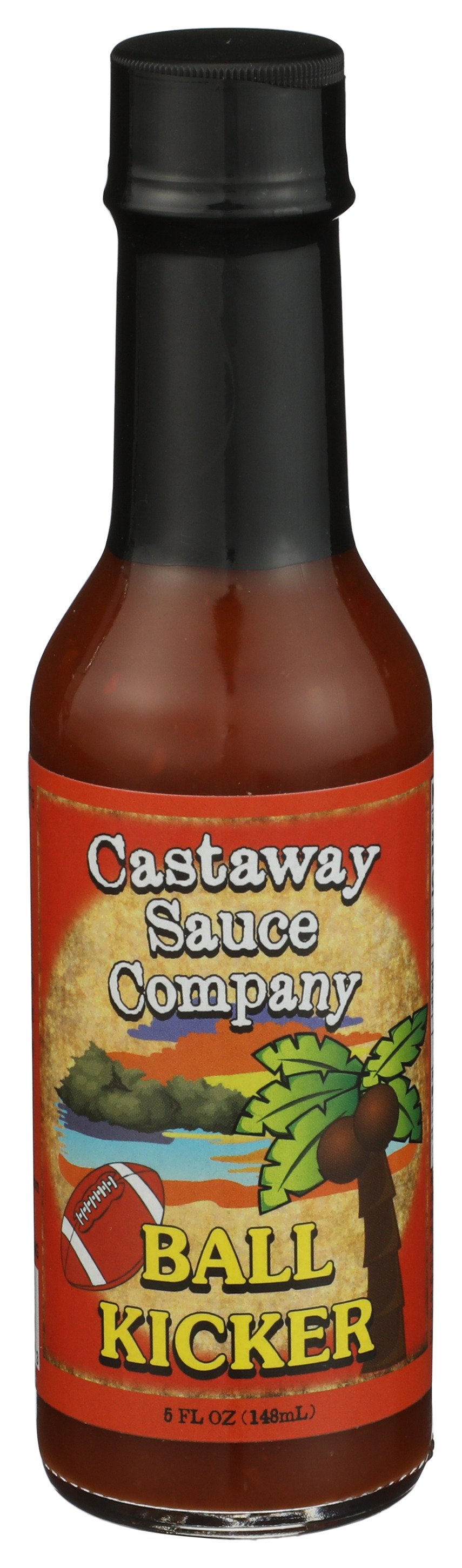
Whisk, taste, and nudge one lever at a time. For a milder build, start with Mango Chipotle (https://castawaysaucecompany.com/products/mango-chipotle-castaway-sauce-company) or Ball Kicker (https://castawaysaucecompany.com/products/ball-kicker-castaway-sauce-company) and add sweetener to taste.

A Tasting Method: Adjust in Small Steps
Taste, adjust, and wait ten seconds before the next taste. Capsaicin's burn builds and fades, so a fast second taste lies to you. Most guides stop there. The part they miss is a stopping rule and a way to tell whether you are fixing burn or fixing balance.
Step 1: Name the Problem
Before you add anything, decide which problem you have. Burn is a sensation on the tongue and throat that builds over several seconds. Imbalance is a flavor that reads too sweet, too sour, or too flat from the first bite. They need different fixes. Sweetener changes perceived balance but does not reliably neutralize capsaicin, so adding sugar to a burn problem often overshoots.
Step 2: Adjust One Lever at a Time
- Taste the dish plain and note the heat level and the dominant flavor.
- Add one lever in a small amount: 1/4 teaspoon of sweetener, a squeeze of acid, or a spoon of dairy.
- Stir well and wait ten seconds.
- Taste again and note what changed.
- Repeat with the next lever only after the first has settled.
Step 3: Apply the Stopping Rule
Stop adding sweetener when the heat reads as background rather than foreground, and when the dish tastes like its main ingredient before it tastes sweet. If you can taste sugar first, you have gone too far. Stop adding acid when the dish tastes bright rather than sharp. Stop adding dairy when the burn calms but the dish still tastes like itself.
Step 4: Know What Each Fix Can and Cannot Do
Dairy and fat coat the palate and calm the sensation fast, but they dilute flavor and can make a dish taste flat. Acid sharpens flavor and keeps sweetness from taking over, but it does not reduce burn. Sweetener redirects attention from the burn, but it does not remove capsaicin and it creeps back after you swallow. Salt makes other flavors read louder, but too much makes the dish taste salty rather than balanced.
Step 5: Stretch, Don't Stack
Keep a small bowl of the base nearby. If you overshoot, stretch the dish with more base instead of adding more of everything else. This works for a pot of chili and for a single jar of sauce. For a sauce-based dish, a teaspoon of a high-heat sauce stirred into a sweet base adds heat and citrus bite that pulls sugar back into line, so you can correct an over-sweet batch without starting over.
Frequently Asked Questions
Does adding sugar make spicy food less hot?
Sugar does not remove capsaicin, the compound behind the burn. It adds a sweet taste that competes for your attention, so the heat feels softer without actually dropping. That is why a pinch of honey can rescue a fiery salsa but will not save a dish that is genuinely overloaded with chili. Start with 1/2 teaspoon per cup of sauce or stew, taste, and add more only if the flavor still leans sharp. If the burn is severe, pair the sugar with dairy or more base ingredients instead of piling on sweetener.
What ingredients balance the heat of hot sauce?
Dairy, fat, acid, and bulk are the workhorses. A spoon of sour cream or yogurt cools the perception of burning, a squeeze of lime or splash of vinegar sharpens the flavor so heat sits in the background, and extra base ingredients like tomatoes, beans, or rice dilute the concentration. Sweeteners help too, but they mask rather than neutralize. For a smoky sweet-heat sauce like Mango Chipotle (https://castawaysaucecompany.com/products/mango-chipotle-castaway-sauce-company), the mango already does part of this work, so you often need less added sugar than you would with a straight cayenne sauce.
How do you balance a dish that is too spicy and too sweet at the same time?
Treat the two problems in order: dilute first, then sharpen. Add more of the dish's base ingredient, whether that is stock, crushed tomatoes, rice, or beans, to lower both the sugar and the capsaicin concentration at once. Then add acid, such as vinegar or citrus, to cut the cloying edge, and a pinch of salt to wake up the flavor. Taste after each addition. Only after the dish is diluted should you fine-tune with a small amount of heat or sweetener, because adding either to an already concentrated pot makes the imbalance worse.
When should you add hot sauce to a recipe?
Add most of it near the end, after the sweet elements have had time to cook down and concentrate. Sugar reduces and intensifies over a simmer, so a sauce that tasted balanced at the start can turn sweet and flat by the time it is done. Hold back roughly half of your planned hot sauce, taste at the end, then finish with the rest. For a novelty-level sauce like Blackbeard's Revenge (https://castawaysaucecompany.com/products/blackbeards-revenge-castaway-sauce-company), swap a teaspoon in wherever a recipe calls for cayenne or another hot sauce, and taste before adding more.
A dish that's too hot or too sweet can feel like a lost cause. It isn't. Castaway Sauce Company builds sauces with fresh fruits, peppers, and spices rather than leaning on vinegar, so the sweet-heat balance is already in the bottle. Try Mango Chipotle for a sweet, smoky middle ground, Falling Iguana for honey-and-Datil complexity, or Blackbeard's Revenge when you want to add real heat to a sweet base. Add to cart and taste the difference a balanced sauce makes.