

Top Rated Hot Sauces for Foodies: A Flavor Guide
Table of Contents
- What Makes a Top Rated Hot Sauce for Foodies
- Hot Sauce Rankings by Flavor and Heat
- Best Hot Sauces for Flavor Across Every Palate
- How to Use Hot Sauce in Recipes
- Hot Sauces Chefs Recommend for Home Cooking
- Finding Your Perfect Sauce: A Selection Guide
- Frequently Asked Questions
Last Updated: October 18, 2026
What Makes a Top Rated Hot Sauce for Foodies
Top rated hot sauces for foodies combine distinctive flavor profiles, quality ingredients, and versatility.
True top rated hot sauces prioritize fresh fruits, peppers, and spices that create layers of flavor.
At Castaway Sauce Company, our sauces don't depend on high vinegar content to hide inferior ingredients. Each blend showcases the pepper varieties and complementary flavors that make it special.
Heat matters, but it's one dimension. A truly top rated hot sauce balances spice with flavor and intensity with versatility.
Hot Sauce Rankings by Flavor and Heat
Sweet and Mild Heat: Mango Chipotle
Mango Chipotle ($5.99) leads our lineup for balance between sweetness and spice, combining ripe mango's tropical fruitiness with the smoky depth of chipotle peppers, smoked and dried jalapeños that add complexity without overwhelming heat.

The mango provides natural sweetness and smooth texture. Moderate spice keeps it accessible while still delivering genuine pepper presence.
Use it as a marinade for grilled chicken, a dip for roasted vegetables, or a glaze for fish.
Unique Regional Flavor: Falling Iguana
Falling Iguana ($5.99) showcases a pepper most people have never encountered: the Datil pepper, which grows in the region around St. Augustine and brings a slightly smoky character that distinguishes it from more common pepper profiles.

The Datil's unique flavor combines with honey, Florida orange juice, garlic, and spices to create something genuinely different. That commitment to locality and authenticity is what makes top rated hot sauces stand out.
The honey adds smoothness, the orange juice brings brightness, and it works beautifully on fish, in marinades, or over roasted root vegetables.
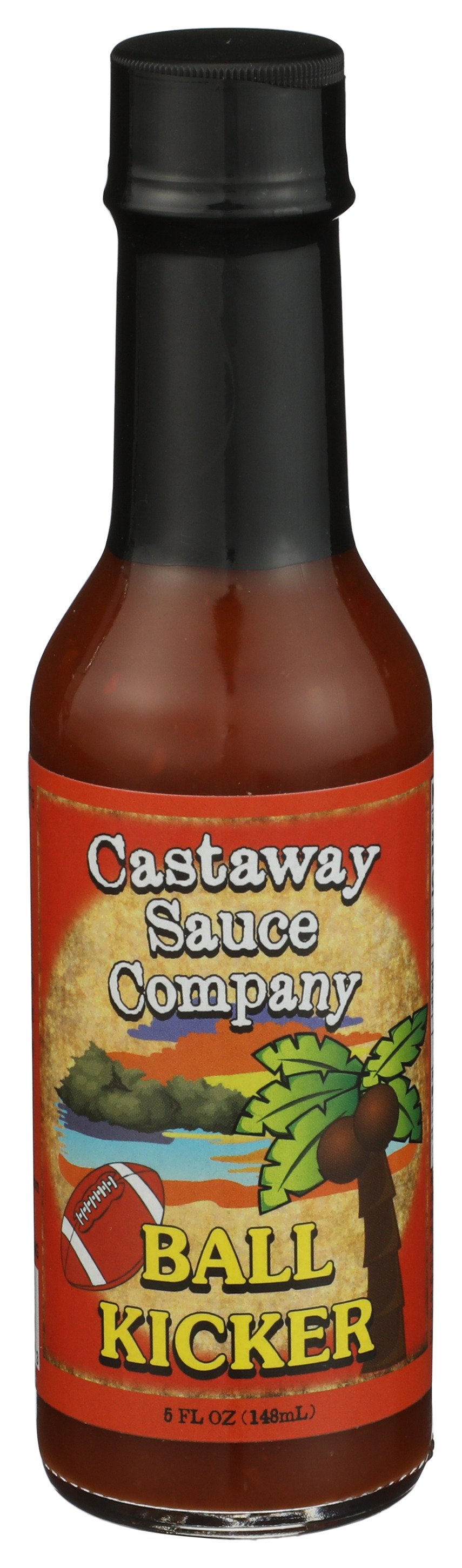
Bright and Moderate Spice: Ball Kicker
Ball Kicker ($5.99) brings immediate brightness to any dish. Orange habaneros, chiles d'arbol, citrus, and spices feel alive on the palate, and the moderate heat doesn't overshadow them.

This sauce delivers "flavor-forward heat": the spice enhances the other flavors.
Toss it with roasted cauliflower, use it in chicken marinades, or drizzle it on grain bowls. The citrus makes it particularly effective with seafood.
Extreme Heat and Complexity: Blackbeard's Revenge
Blackbeard's Revenge ($11.99) is our flagship sauce and operates in a different category entirely. It isn't a sauce you use straight from the bottle; it's a recipe ingredient, a concentrated heat and flavor component that transforms dishes when used strategically.
Punishing heat meets complex layers of citrus, a proprietary blend of chili peppers, garlic, and spices, with a touch of capsaicin for final intensity. It was featured on Travel Channel's Man v Food Nation.
Use it as a seasoning rather than a condiment: a teaspoon added to cayenne-based recipes, hot pepper marinades, or spicy components transforms the depth of heat. It's not for the faint of heart, but extreme-spice fans get genuine complexity alongside the intensity.
Best Hot Sauces for Flavor Across Every Palate
The best hot sauces for flavor aren't one-size-fits-all. Our lineup spans approachable sweet-heat profiles to extreme intensity, so there's something for different cooking styles and heat tolerances.
Flavor complexity separates memorable sauces from forgettable ones. With Mango Chipotle you taste mango, then chipotle smoke, then spice, each component distinct.
A sauce that works only on tacos limits your options. The best formulations work across proteins, vegetables, grains, and cuisines.
| Sauce | Heat Level | Primary Flavor | Best For | Texture |
|---|---|---|---|---|
| Mango Chipotle | Mild-Moderate | Sweet, Smoky | Marinades, Grilled Meats | Smooth |
| Falling Iguana | Mild-Moderate | Fruity, Smoky | Fish, Roasted Vegetables | Smooth |
| Ball Kicker | Moderate | Bright, Citrus | Everyday Cooking, Grain Bowls | Medium |
| Blackbeard's Revenge | Extreme | Complex, Citrus, Heat | Recipe Ingredient, Heat Seekers | Thick |
How to Use Hot Sauce in Recipes
Using a top rated hot sauce well is a technique problem, not a shopping problem. The rule: sweet-heat sauces go in early so their sugars caramelize and their fruit mellows; extreme-heat sauces go in late so their volatile aromatics survive. Mastering these timing nuances becomes especially critical when preparing spicy wing sauces where the balance between char and brightness defines the final glaze.
Mango Chipotle — Castaway Sauce Company →
Sweet-Heat Sauces in Grilled Meats and Marinades
Mango Chipotle and Falling Iguana work as marinade bases because their natural sugars caramelize during cooking and their fruit acids gently tenderize protein. A workable ratio is roughly 3 parts sauce to 1 part acid (lime or orange juice) plus a fat and an allium; for two chicken breasts, about 3 tablespoons Mango Chipotle, 1 tablespoon lime juice, 1 tablespoon neutral oil, and one minced garlic clove.
Grill over medium heat and move the protein to a cooler zone if the glaze darkens too quickly. For roasted vegetables, toss Brussels sprouts or cauliflower with Falling Iguana before roasting at 425°F, but reserve a spoonful to drizzle after so the fresh Datil-orange character isn't cooked away.
Extreme Heat Sauces as Recipe Ingredients
Blackbeard's Revenge is a novelty sauce in the sense that it isn't built to be poured on a finished plate; it's built to be substituted into recipes that already call for cayenne, hot peppers, or hot sauce. The practical move is a 1-teaspoon swap: wherever a recipe specifies cayenne or a generic hot sauce, replace it with a teaspoon of Blackbeard's Revenge and taste before adding more. Because it's thick and concentrated, add it to soups, stews, chilis, and braises in the last 10 to 15 minutes so the citrus and garlic notes stay bright.
Start with half the teaspoon called for, stir, wait two minutes, then adjust.
Pairings Beyond Tacos, Eggs, and Wings
This is where most hot sauce lists stop, and where a foodie kitchen gets more value:
- Seafood: A few drops of Ball Kicker in a shrimp ceviche or over seared scallops cuts richness with citrus and chile without burying the shellfish.
- Noodles: Stir a teaspoon of Mango Chipotle into a peanut-sesame noodle sauce for a sweet-smoky backbone; the mango rounds the sesame's bitterness.
- Soups: Finish a bowl of black bean or squash soup with a swirl of Falling Iguana; the honey and orange echo the soup's sweetness while the Datil adds a smoky lift.
- Vegetables: Roast carrots or sweet potatoes with Mango Chipotle and a pinch of salt; the caramelization plays off the vegetable's natural sugar.
- Cocktails and mocktails: A small dash of Ball Kicker in a margarita or a grapefruit spritz adds a savory chile-citrus edge; use a light hand, since a little goes a long way in a cold drink.
- Desserts: A tiny amount of Mango Chipotle swirled into vanilla ice cream or a chocolate ganache gives a sweet-heat contrast; keep it to a quarter teaspoon per serving so the smoke does not dominate.
Hot Sauces Chefs Recommend for Home Cooking
Professional kitchens judge a hot sauce by how it behaves under heat, how it layers with other ingredients, and whether it earns its shelf space.
What Chefs Actually Look For
- Behavior under heat: Does the sauce caramelize cleanly, or scorch and turn bitter? Fruit- and honey-based sauces need moderate heat and a watchful eye; vinegar-forward sauces tolerate higher heat but can taste sharp when reduced.
- Layering, not masking: A good cooking sauce lets you taste the pepper, the fruit, and the spice as separate notes. If vinegar or capsaicin flattens everything into one note, it is a topper, not an ingredient.
- Ingredient quality: Cooks read labels for what is doing the work. A sauce built on fresh fruit, peppers, and spices rather than high vinegar content gives you more to cook with.
- Versatility per bottle: A sauce that only works on one dish takes up space without earning it. The rotation above is deliberately small so each bottle gets used weekly.
A Heat-and-Flavor Selection Matrix
Use this to match a sauce to your tolerance and your cooking rather than guessing from the label:
| If you want... | Heat tolerance | Reach for | Why it works in the kitchen |
|---|---|---|---|
| Sweet-smoky balance for glazes and marinades | Mild to moderate | Mango Chipotle | Mango and chipotle caramelize into a glaze; smooth texture coats evenly |
| A regional, honeyed finish for fish and vegetables | Mild to moderate | Falling Iguana | Datil pepper's smoky character plus honey and orange brighten without overwhelming |
| Bright, citrus-forward heat for everyday cooking | Moderate | Ball Kicker | Habanero and chile de árbol with citrus cut through rich and fried foods |
| Concentrated heat as a recipe ingredient | Extreme | Blackbeard's Revenge | Thick, potent; substitute a teaspoon where a recipe calls for cayenne or hot sauce |
The Trade-Offs Chefs Accept
Sweet-heat sauces are forgiving on the palate but demand attention at the stove because their sugars burn. Extreme sauces deliver complexity but are easy to overuse, which is why they're measured in teaspoons. Bright moderate sauces are the most versatile but can get lost in heavy, long-simmered dishes.
Building Your Rotation
Start with one sauce that matches your most common cooking method, live with it a few weeks, then add the next. A griller gets the most from a sweet-heat sauce first; a grain-bowl and seafood cook reaches for a bright moderate sauce; a chili and curry cook wants the concentrated extreme sauce. The goal is a small set of bottles you actually finish.
Finding Your Perfect Sauce: A Selection Guide
Choosing the right hot sauce depends on heat tolerance, cooking style, and preferred flavor profiles.
If you prefer mild to moderate heat: Start with Mango Chipotle or Falling Iguana. Both deliver genuine flavor without overwhelming spice.
If you want bright, versatile flavor: Ball Kicker bridges mild and moderate heat. The citrus makes it work across cuisines and proteins, grain bowls, fish, roasted vegetables, or marinades.
If you're a heat seeker: Blackbeard's Revenge is your sauce, but use it strategically. It's an ingredient, not a condiment.
If you want to explore everything: The Shipwreck Set ($25.00) includes multiple sauces so you can experience the full range and discover which profiles you actually use most.
The selection process is personal. Start with one sauce that matches your heat tolerance, then expand once you understand how different profiles work in your kitchen.
The difference between ordinary hot sauce and a truly top rated hot sauce for foodies comes down to intentionality.
Frequently Asked Questions
What makes a hot sauce truly top rated for foodies?
Top rated hot sauces balance flavor depth with heat balance. Foodies prioritize ingredient quality, fresh fruits, peppers, and spices. They seek versatility across different dishes, complexity in taste, and a clear flavor profile whether sweet, smoky, or citrus-forward. The best sauces deliver on all three without relying on one-note heat.
How do hot sauce rankings by flavor and heat help me choose?
Rankings by flavor and heat let you skip guesswork. Sauces range from sweet-heat profiles ideal for grilled meats and marinades, to unique regional flavors like the Datil pepper variety, to bright citrus-forward options, to extreme heat for adventurous palates. Knowing where a sauce sits on both scales helps you pick one that matches your cooking style and heat tolerance.
What hot sauces do chefs recommend for everyday cooking?
Moderate-heat options with bright flavor profiles work on tacos, eggs, and roasted vegetables. Milder sweet-heat varieties pair well with grilled proteins and dipping. For extreme heat seekers, using high-heat sauces as recipe components, a teaspoon added to soups, stews, or salsas, rather than drizzling them straight, balances the punch with other ingredients.
Can I use the same hot sauce in multiple recipes?
Yes, versatility matters. Sweet-heat sauces work as dipping sauces, marinades, and taco toppers. Bright citrus varieties enhance chicken, seafood, and fresh vegetables. Smoky profiles complement grilled meats and quesadillas. The key is understanding your sauce's flavor profile, fruitiness, smokiness, acidity, and matching it to dishes where those notes enhance rather than clash. Start with a teaspoon and build from there.